


In 2020, Patrick Mahomes signed the largest contract in NFL history ten years, $503 million. Most athletes would have called that the endgame. Mahomes treated it like seed funding.
Within two years, he had equity stakes in multiple sports franchises, a growing portfolio of investments, and commercial relationships structured to generate wealth independent of what happened on any football field. The contract was the foundation. The business was the building.
Early Life & Career Foundation
Patrick Lavon Mahomes II grew up in Tyler, Texas, the son of Pat Mahomes Sr., a Major League Baseball pitcher who played for several teams across an eleven-year career. Growing up around professional sport specifically around the business realities of professional sport, including its financial unpredictability gave Mahomes a foundational sophistication many athletes take years to develop.
He was recruited as a dual-sport athlete, ultimately choosing football at Texas Tech over a baseball career (the Detroit Tigers drafted him in 2014). His redshirt freshman year was quiet. His sophomore season made national noise. By the time the Kansas City Chiefs traded up to select him tenth overall in the 2017 NFL Draft, the broader football world was still catching up to what Kansas City already knew.
Business Evolution
Mahomes’ first season as a starter 2018 produced one of the greatest individual performances in NFL history and an MVP award. He was twenty-three years old. He was also already working with his business advisors on a commercial architecture that would extend far beyond football.
The key mindset shift happened early: Mahomes was counseled by his team to think about football income as capital, not income. The goal was to take the extraordinary earnings from his NFL career and deploy them into equity positions that would grow independently. This is the LeBron James model using athletic fame as the entry point to ownership rather than endorsement.
Major Business Ventures
The most significant business move Mahomes made was acquiring a stake in the Kansas City Royals MLB franchise. The Royals investment places him among a small group of active athletes who own equity in professional sports franchises the ultimate long-term asset class in entertainment. Sports franchise values have compounded at extraordinary rates over the past two decades, and Mahomes bought in while his leverage an MVP quarterback in the city’s most beloved team was at maximum strength.
He is also a part-owner of Sporting Kansas City, the MLS franchise, extending his local sports ecosystem footprint. The geographic concentration of his sports investments is deliberate: he is building a permanent commercial identity in Kansas City that will outlast his playing career by decades.
His endorsement portfolio includes State Farm, Adidas, DirectTV, Oakley, and Head & Shoulders, among others. The State Farm relationship in particular has become one of the most culturally visible athlete-brand partnerships in contemporary advertising. The commercials are genuinely funny which matters, because likability has a dollar value. Mahomes co-creates content rather than simply appearing in ads, which gives him both creative credit and consumer goodwill that purely transactional deals never generate.
He co-founded Thee Foundation, a charitable organization, but also launched 15 and the Mahomies Foundation, which focuses on youth programming. These philanthropic structures serve dual purposes: genuine social impact and brand reputation management.
Strategic Thinking & Brand Building
Mahomes’ personal brand operates on a paradox: he is simultaneously the best quarterback alive and completely approachable. The elite performance creates aspiration. The relatability the State Farm ads, the casual social media presence, the genuine warmth creates affinity. Together, they produce the rarest commercial combination: a superstar consumers genuinely like.
His partnership choices reflect a consistent strategy of mainstream American brand alignment. State Farm, Adidas, Head & Shoulders these are not luxury or niche products. They are products used by millions of ordinary Americans. That breadth of commercial association positions Mahomes not as an exclusive icon but as an accessible hero, which is a far more durable commercial position.
Key Lessons & Tactics
The first lesson from Mahomes is to treat athletic income as investment capital. The contract money is extraordinary, but its long-term value is determined by how it is deployed.
Second, sports franchise equity is among the best long-term investments available to athletes. The combination of passion alignment, social capital leverage, and genuine financial appreciation makes it uniquely effective.
Third, geographic concentration creates compounding local influence. By investing deeply in Kansas City’s sports ecosystem, Mahomes is building a local commercial legacy that no competitor can replicate.
Fourth, likability is a multiplier on talent. His commercial value exceeds that of many athletes with comparable performance records because consumers genuinely enjoy his presence.
Fifth, diversify across sports. Owning stakes in NFL, MLB, and MLS positions creates portfolio exposure to multiple fan communities and commercial ecosystems.
Challenges, Controversies & Failures
Mahomes has operated his career and brand with remarkable cleanliness. The primary challenges have been on-field managing expectations as arguably the most scrutinized quarterback in NFL history, navigating ankle injuries, and sustaining performance levels that fans and partners have come to regard as baseline.
Off-field, some attention has focused on his family his brother’s legal issues and his fiancée’s social media presence have occasionally generated tabloid coverage. The managed response has been to remain focused on football and business, letting the noise pass without amplifying it.
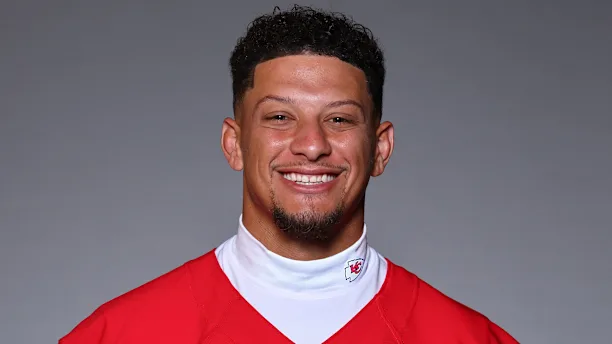
Current Empire & Net Worth Perspective
Mahomes’ net worth is estimated at approximately $60-70 million and growing. But the number is misleading in isolation the franchise stakes and investment positions he holds will likely appreciate substantially over the coming decades. He has structured his wealth to compound, not just accumulate.
Conclusion
Patrick Mahomes is what happens when generational athletic talent meets genuine financial intelligence and excellent counsel. He didn’t just sign the biggest contract in NFL history. He used it as leverage to build an empire that will generate wealth long after he throws his last pass.
The lesson is not complicated: if you’re going to be the best in the world at something, make absolutely sure the money works as hard as you do.



