

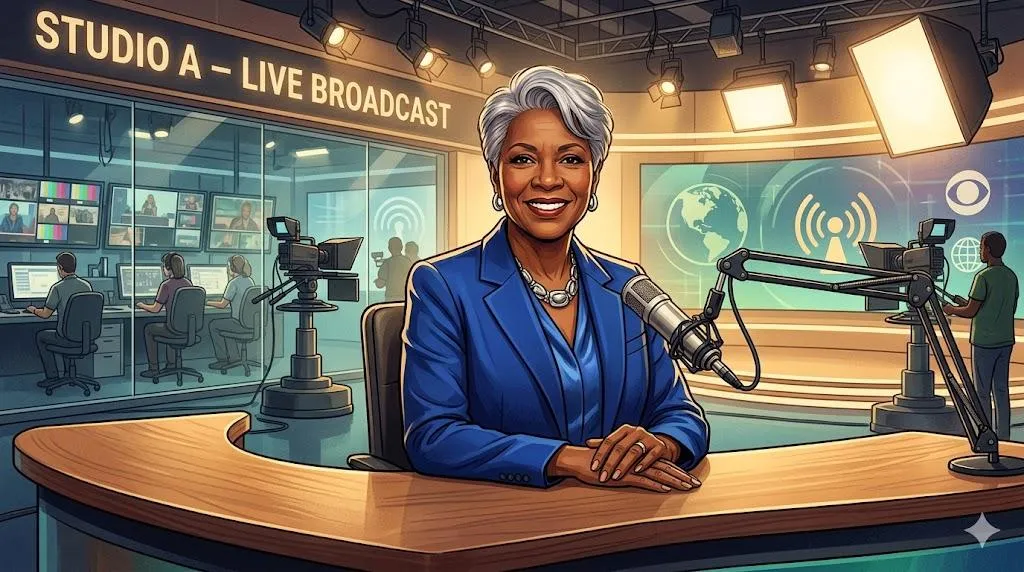
In 1986, Oprah Winfrey became the first Black woman to own and produce her own talk show. She was 32 years old. Most television personalities at that stage were grateful just to be on air. Oprah negotiated ownership of her show, took control of her production company, and began building a media empire that would eventually make her the first Black female billionaire in history. The difference between Oprah and everyone else on television was not talent. It was ownership.
Early Life and Career Foundation
Oprah was born in rural Mississippi in 1954 into profound poverty. She was raised by her grandmother on a farm, wearing dresses made from potato sacks. She survived abuse, teenage pregnancy, and years of instability before finding her footing through education and communication. She won a full scholarship to Tennessee State University after excelling in speech and drama competitions. By 19, she was co-anchoring the local evening news in Nashville, the youngest person and first Black woman to do so at that station.
She moved to Baltimore for a morning talk show and discovered something important: she was not a traditional news anchor. She was a connector. Her empathy, honesty, and willingness to share her own pain made audiences feel seen in a way that polished journalism never could. That discovery was the foundation of everything that followed.
She arrived in Chicago in 1984 to host a low-rated morning show called AM Chicago. Within a month, ratings had reversed. Within a year, the show was renamed The Oprah Winfrey Show and syndicated nationally. The turning point in her business life came when she realized that her show’s extraordinary success was making other people rich while she remained an employee.
Business Evolution
The critical mindset shift for Oprah came in 1986 when she partnered with film producer Jeffrey Jacobs to form Harpo Productions, a name derived from her own name spelled backward. Taking ownership of her show meant that instead of collecting a salary, she collected the profits. It also meant she controlled creative decisions, guest selection, and the direction of her brand. That single structural move transformed her from a television personality into a business owner.
Her first major business move was acquiring the rights to her own show from ABC. This was unusual to the point of being unprecedented. Television hosts simply did not own their shows. Oprah understood that the asset was not the show itself but the audience relationship she had built, and she was not going to let someone else profit indefinitely from that relationship.
Major Business Ventures
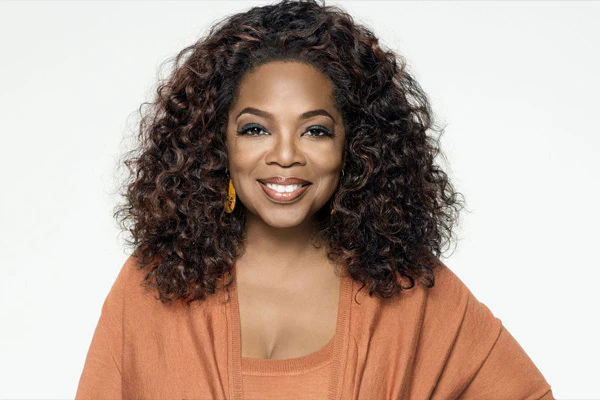
Harpo Productions became the engine of her empire. It produced The Oprah Winfrey Show for 25 years, generating billions in syndication revenue. It also produced films including Beloved and The Color Purple, television series, and eventually content for her own network. The production company gave her leverage that no amount of salary could have provided.
The launch of O, The Oprah Magazine in 2000 was a masterclass in brand extension. Partnering with Hearst Corporation, she launched a magazine that became one of the most successful magazine launches in publishing history, reaching a circulation of over 2.5 million within its first year. The magazine was not just a publication. It was a monthly touchpoint with her audience that extended her influence beyond the television screen.
OWN, the Oprah Winfrey Network, launched in 2011 as a joint venture with Discovery Communications. The early years were difficult, with low ratings and public criticism. But Oprah restructured, installed herself as CEO alongside her programming role, and shifted the content strategy. OWN became profitable by 2013 and has since generated consistent returns, particularly through original drama series that speak directly to Black American audiences.
Her investment in Weight Watchers in 2015 is one of the most discussed celebrity business moves of the decade. She purchased a 10 percent stake for approximately 43 million dollars and joined the board. Her announcement alone caused the stock to surge 20 percent in a single day. Within a year, her stake was worth over 400 million dollars. The move worked because it was not an endorsement. It was authentic participation. Oprah had publicly struggled with weight her entire career, and her investment was credible in a way that a paid spokesperson arrangement could never be.
Strategic Thinking and Brand Building
Oprah’s brand is built on a single promise: authenticity. In an era when celebrities carefully managed their image, she shared her trauma, her failures, her weight struggles, and her spiritual beliefs with the same openness she brought to interviewing guests. That vulnerability was not weakness. It was her most powerful business asset because it created a level of audience trust that advertisers cannot buy.
Her monetization strategy has always centered on ownership and equity rather than fees and endorsements. Where other celebrities collected checks for appearances, Oprah collected stakes, royalties, and network deals. The Oprah effect, the phenomenon where her recommendation could turn a book, a product, or a person into a national sensation overnight, was essentially a distribution network that she had built over decades and that no money could replicate.
Key Lessons and Tactics
First, own the asset, not just the income. Oprah’s pivot from employee to owner changed every financial outcome that followed. Second, authenticity is a competitive moat. In a world of manufactured celebrity, genuine vulnerability builds deeper loyalty than any marketing campaign. Third, your audience relationship is your most valuable asset. Oprah protected and nurtured that relationship for decades before monetizing it at scale. Fourth, extend your brand only where you have genuine credibility. Every Oprah venture, from the magazine to Weight Watchers, was rooted in something she actually believed in. Fifth, strategic partnerships multiply your reach. Harpo’s partnership with Hearst, OWN’s joint venture with Discovery, and the Weight Watchers stake all leveraged larger platforms without surrendering control. Sixth, recover publicly from failure. OWN’s difficult early years were covered extensively, and Oprah’s transparent acknowledgment and restructuring rebuilt confidence faster than silence would have. Seventh, turn your personal journey into your brand narrative. Her life story is not separate from her business. It is the product.
Challenges, Controversies, and Failures
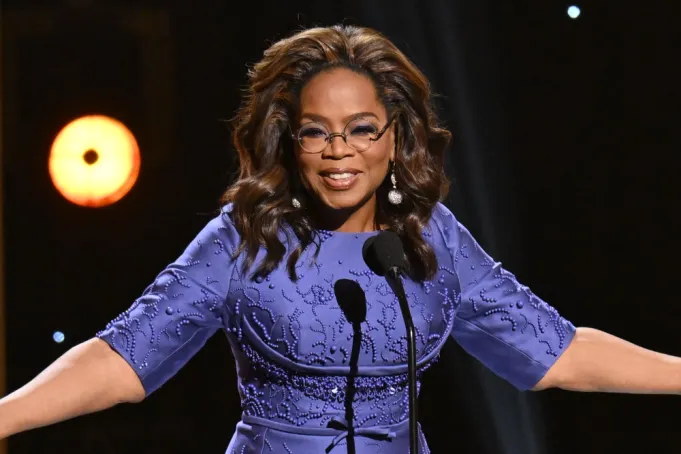
OWN’s launch was widely considered a stumble. The network struggled with identity, ratings, and public skepticism about whether Oprah’s magic could translate to a full cable network. She faced criticism for the interview she conducted with Lance Armstrong about his doping scandal, which many felt was too soft. Her endorsement of James Frey’s memoir A Million Little Pieces, which was later exposed as largely fabricated, forced a rare public apology and shook her credibility as a cultural validator.
She has also been criticized for promoting pseudoscientific health advice through her platform, particularly around figures like Dr. Oz and Dr. Phil, whose careers she launched and whose claims have since attracted significant scrutiny.
Current Empire and Net Worth Perspective
As of 2025, Oprah’s net worth is estimated at approximately 2.5 billion dollars. Her business ecosystem includes Harpo Productions, OWN, her stake in various media ventures, a significant real estate portfolio, and Apple TV Plus content partnerships. Her production deal with Apple has brought her back to the forefront of prestige content creation, producing documentary series and book club specials that continue to shape cultural conversation.
Conclusion
Oprah Winfrey did not become a billionaire because she was the best interviewer on television, though she may well have been. She became a billionaire because she understood that talent without ownership is just a job. She took the most intimate and personal parts of her story, the poverty, the trauma, the struggle, and she turned them into the foundation of a business that has outlasted every trend, every competitor, and every critic who underestimated her.
The girl in the potato sack dress became the woman who owns the network. That arc is not just inspiring. It is a business blueprint.



