
- Home
- Pop Culture
- Kanye West: The Producer Who B ...


Kanye Omari West was not supposed to be a rapper. He was a producer. That distinction matters more than most people realise, because it explains every business decision he has made since the moment he walked into Roc-A-Fella Records as a beat-maker and walked out as one of the most commercially powerful artists in the history of the music industry. His estimated net worth has fluctuated dramatically over the years, peaking at figures that placed him among the wealthiest entertainers alive, but the number itself is less interesting than the architecture behind it. Kanye did not just want to be rich. He wanted to own the system that made other people rich.
FROM THE STUDIO FLOOR TO THE FRONT OF THE LINE
Kanye grew up in Chicago, raised by his mother Donda West, an English professor whose academic discipline and cultural pride shaped his worldview in ways that would surface decades later in everything from album concepts to fashion manifestos. He dropped out of Chicago State University to pursue music, a decision his mother supported despite the obvious risk. That early bet on himself became a recurring theme in his career.
His entry into the music industry was through production. He crafted beats for Jay-Z, Ludacris, and Alicia Keys before anyone took him seriously as a vocalist. The industry told him producers did not rap. He used that rejection as fuel. When The College Dropout released in 2004, it did not just sell. It reframed what hip-hop could sound like and what it could say. Chipmunk soul samples, introspective lyrics, and a preppy College kid aesthetic nobody had seen in the genre before. The album moved 441,000 copies in its first week and earned ten Grammy nominations. His first business lesson was embedded in that moment: differentiation is not a risk, it is the only real strategy.
THE PUBLISHING PLAY AND THE LABEL STRUCTURE
While most artists celebrated record deals, Kanye paid attention to the terms. He understood early that recording contracts are often structured to benefit labels far more than artists. His publishing rights, the ownership of his songwriting catalogue, became a priority. Publishing generates income every time a song is played on radio, licensed for a film, used in an advertisement, or streamed on a platform. For an artist with a catalogue as culturally embedded as Kanye’s, that revenue stream compounds quietly over decades.
He founded GOOD Music in 2004, initially as a vanity label, but gradually transformed it into a legitimate operation that signed artists including John Legend, Kid Cudi, Big Sean, Pusha T, and Teyana Taylor. The label deal with Def Jam gave him distribution muscle while he retained creative control and a stake in the artists he developed. This is the producer mindset applied to business. He was not just performing. He was building infrastructure that generated income from other people’s talent, the same way labels had profited from his.
YEEZY: THE BILLION DOLLAR MISCALCULATION
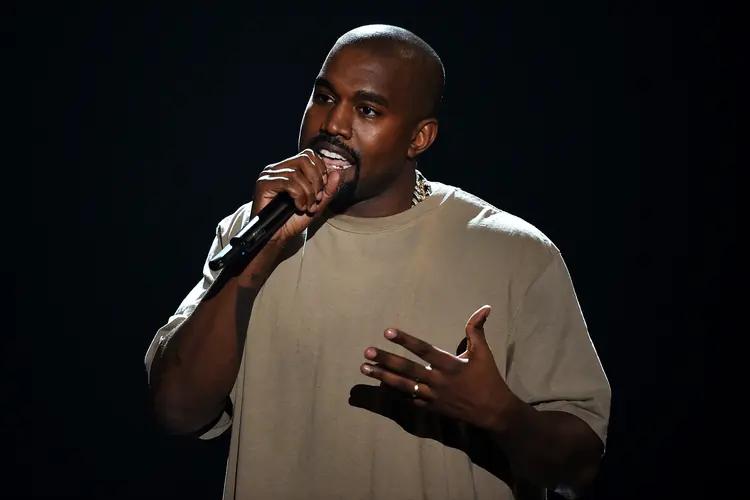
The Yeezy partnership with Adidas is simultaneously Kanye’s greatest business achievement and his most instructive cautionary tale. Launched properly in 2015, Yeezy became one of the most commercially successful sneaker brands in history. The business model was built on engineered scarcity. Limited drops, unpredictable release schedules, and a cultural cachet that made every pair feel like access to something exclusive. Yeezy Boost 350s resold for multiples of retail price. The aftermarket itself became a marketing engine.
At its peak, analysts valued the Yeezy brand at somewhere between 1.5 billion and 4 billion dollars depending on the methodology. Kanye’s royalty structure with Adidas was reported to be unusually favourable, earning him a percentage of revenue rather than a flat fee. That distinction is enormous. A percentage of a billion dollar operation compounds in ways a flat fee never can.
Then came 2022. A series of public antisemitic comments triggered a cascade of brand separations that dismantled his commercial empire in a matter of weeks. Adidas terminated the partnership. Gap ended their Yeezy Gap collaboration. Balenciaga cut ties. CAA dropped him. The financial damage was estimated in the hundreds of millions. The business lesson here is brutal but clear: personal brand and commercial brand are inseparable for founder-led companies. When the founder becomes a liability, the entire structure collapses. There is no firewall between Kanye the person and Yeezy the product.
THE FASHION OBSESSION AS BUSINESS STRATEGY
Long before Yeezy, Kanye was studying fashion with the same intensity he applied to music. He interned at Fendi in Rome. He attended Paris Fashion Week and inserted himself into conversations where he was not yet welcome. The industry dismissed him repeatedly, and he spoke about those rejections publicly and often. What looked like ego was actually market research. He was identifying a gap: streetwear and luxury had not yet fully merged, and the consumer who loved both did not have a brand that spoke their language at scale.
Yeezy filled that gap. The aesthetic, muted earth tones, oversized silhouettes, post-apocalyptic minimalism, was coherent and immediately recognisable. In fashion, recognisability is brand equity. You cannot copy a look without referencing the source. That is the kind of cultural ownership that translates directly into pricing power.
DONDA AND THE INDEPENDENCE EXPERIMENT
After his public fallout with the major label system, Kanye made moves toward releasing music entirely on his own terms. The Donda album rollout in 2021 was chaotic by conventional standards, with multiple delayed releases and live listening events that functioned more as cultural spectacles than traditional promotional campaigns. But chaos was the strategy. Each delay generated more conversation, more press, more streaming anticipation. The album debuted at number one in 94 countries.
His exploration of independent distribution reflected a broader ambition to remove intermediaries from his income. Every label, every platform, every retailer that sits between an artist and their audience takes a percentage. Kanye’s career arc has been a sustained attempt to eliminate those percentages one by one.
WHAT THE MONEY ACTUALLY REFLECTS
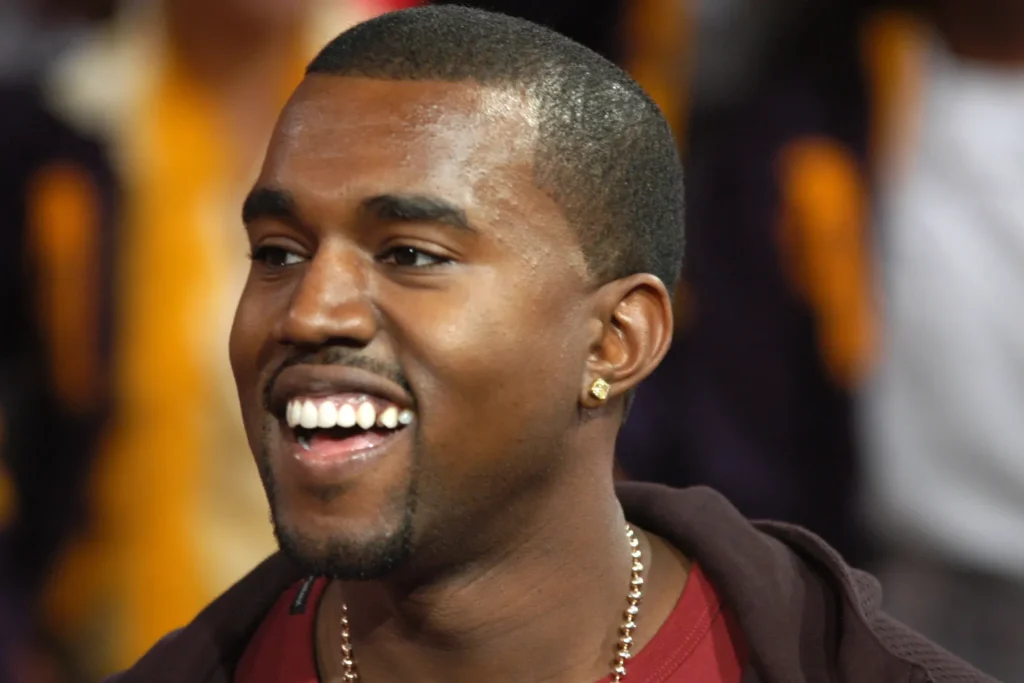
Kanye’s net worth estimates have ranged from 400 million dollars to over 2 billion at different points, with the Adidas fallout compressing those figures significantly. What those numbers actually reflect is the difficulty of valuing a business empire that is so tightly tied to a single unpredictable human being. His music catalogue retains its value. His influence on fashion, music production, and visual aesthetics is genuinely historic. The infrastructure he built through GOOD Music created other careers and continues to generate revenue.
But the Yeezy collapse exposed the central vulnerability in his business model. He never fully separated the enterprise from the entertainer. Jay-Z built Armand de Brignac and D’Usse with enough structural separation that his personal controversies did not immediately threaten the brands. Dr. Dre sold Beats to Apple on the strength of the product, not just his personality. Kanye built everything on the premise that he was the product, which generated extraordinary returns until it did not.
THE LASTING LESSON
Kanye West’s business story is not a simple success or failure narrative. It is a masterclass in the power of differentiation, the compounding value of publishing and royalties, the mechanics of scarcity-based marketing, and the catastrophic risk of founder dependency in a brand structure. He proved that a producer from Chicago could build a fashion empire, negotiate terms that major label artists never dreamed of, and create cultural movements that shaped an entire decade of aesthetics. He also proved that financial intelligence and personal discipline are not the same thing, and that without the second, the first can unravel faster than anyone expects. The architecture was brilliant. The foundation, built entirely on one man’s reputation, was always the risk.



