
- Home
- Celebrity Lifestyle
- Get Celebrity Home Organizatio ...

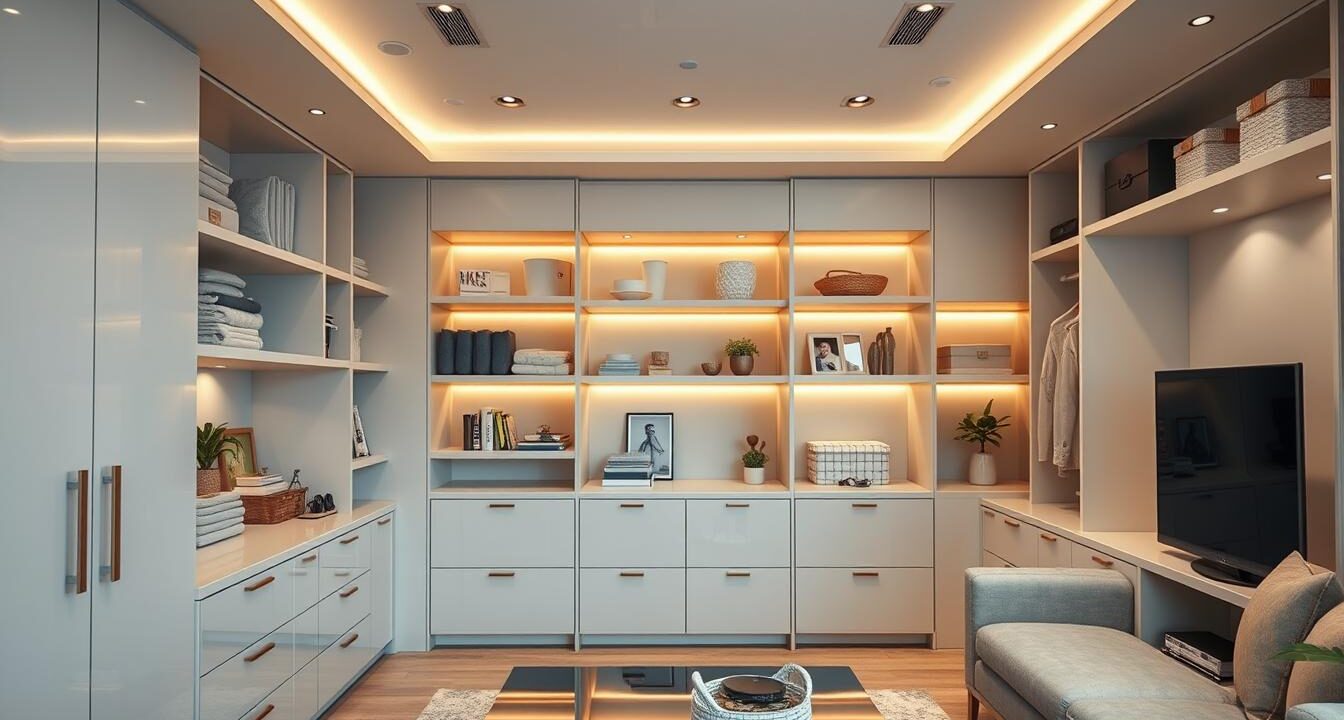
Welcome to your guide on creating a more functional and peaceful living environment. Many people feel overwhelmed by clutter, but you can change that today.
Discover how simple decluttering methods can free up both physical and mental space. Experts like Bridget Urgo and Maura Fitzgerald emphasize that clutter affects your clarity and weighs you down.
This article walks you through practical methods from stars like Marie Kondo and Reese Witherspoon. These approaches are tailored for everyday life and can work for anyone.
We cover everything from closets to pantries, helping you build systems that match your lifestyle. Get ready to say goodbye to unused items that steal your storage and headspace.
By the end, you’ll have actionable steps to create sustainable habits. You can build a dream space that reflects your personality and values.
Let’s dive in and start your journey toward a more organized, serene environment where everything has its place.
Key Takeaways
- Decluttering creates both physical and mental space for better living
- Expert organizers emphasize how clutter affects mental clarity
- Celebrity-inspired methods can be adapted for everyday use
- Organization systems should match your personal lifestyle
- Removing unused items creates more functional storage areas
- Sustainable habits lead to long-term organization success
- An organized space reflects your personal values and personality
Why Your Organized Space Boosts Productivity and Peace
Ever notice how your surroundings affect your mood? A cluttered environment creates mental noise. An organized one brings calm.
Our surroundings have a profound impact on our mental state. When a space is cluttered, it can create a sense of overwhelm and chaos. On the other hand, a clean, organized, and well-arranged space can promote clarity, focus, and a sense of calm.
Think about your daily routine. How much time do you spend looking for misplaced items? Professional organizers like Bridget Urgo emphasize that decluttering helps you find things easily. This saves both time and money.
Creating designated spots for your belongings streamlines your day. You’ll move through tasks with less friction. This efficiency creates more time for activities you truly enjoy.
“Decluttering helps you avoid buying duplicates and saves money,” notes Bridget Urgo.
Studies show organized areas boost productivity. They minimize distractions and create conducive environments. Whether it’s your office or living room, order promotes creativity.
An organized space reduces mental clutter. This allows you to focus on what truly matters in your life. Clutter often leads to stress, while tidiness fosters peace.
Start small with one drawer or shelf. Notice how this small change affects your entire day. Even minor improvements create significant shifts in how you function.
Embrace organization as self-care. It transforms your living area into a sanctuary. This sanctuary supports your goals and enhances overall well-being.
Your space should work for you, not against you. When everything has its place, you gain mental clarity. This clarity translates to better decision-making throughout your day.
Marie Kondo’s Method: Declutter by What Sparks Joy
Imagine holding each possession and feeling a genuine sense of happiness. That’s the heart of Marie Kondo’s revolutionary approach to tidying up. Her KonMari method transforms decluttering from a chore into an uplifting journey of self-discovery.
This philosophy goes beyond mere organization. It’s about creating a living space filled only with items that truly resonate with your soul. The process becomes a positive experience rather than a negative one.
Keep Only What Sparks Joy
Start by gathering all your belongings from one category. Hold each item in your hands and ask yourself a simple question: “Does this spark joy?” Your immediate emotional response is your answer.
If something doesn’t bring you happiness, thank it for its service. Then let it go responsibly. This mindful way of evaluating things creates a home filled only with what you truly love.
Declutter by Category, Not Location
Marie Kondo recommends working through categories in this specific order:
- Clothes
- Books
- Papers
- Komono (miscellaneous items)
- Sentimental items
This systematic approach ensures you address all similar items at once. You’ll see everything you own in that category, making decisions easier and more consistent.
Thank Items and Let Them Go
The act of expressing gratitude might feel unusual at first. But it’s a powerful way to acknowledge an item’s purpose in your life. This practice helps release attachment to things that no longer serve you.
Many people find this method life-changing. It reduces clutter while fostering a happier, lighter living environment. The process brings both physical and emotional clarity.
“The space in which we live should be for the person we are becoming now, not for the person we were in the past.”
Set aside dedicated time to tackle one category at a time. You might involve family members for a shared experience. Remember that quality always beats quantity when creating your ideal space.
Create a specific home for every kept item. This makes maintenance effortless and keeps your space organized long-term. You’ll develop sustainable habits that support your newfound clarity.
The KonMari method isn’t just about organizing—it’s about curating a living environment that reflects your best self. Your space becomes a sanctuary that supports your goals and enhances your daily life.
Reese Witherspoon’s Strategy: Curate with Color and Story
What if your living space could tell your unique story while staying perfectly functional? Reese Witherspoon’s approach makes this possible through thoughtful curation. Her method blends Southern charm with smart systems that work in real life.
This strategy goes beyond simple tidying. It’s about creating environments that feel both personal and practical. Every element serves a purpose while adding beauty to your daily routine.
Color-Code Your Closet for Visual Ease
Transform your closet into a rainbow of possibilities. Grouping clothes by hue creates instant visual harmony. You’ll spot your favorite pieces at a glance each morning.
Start with basic categories like shirts, pants, and dresses. Arrange each group in color order from light to dark. This system turns dressing into a joyful experience rather than a daily chore.
You’ll save precious time during busy mornings. No more digging through piles to find that perfect blue shirt. Everything remains visible and accessible in its designated spot.
Honor Sentimental Items with Purpose
Those special pieces that hold memories deserve to be seen and used. Instead of hiding them away, integrate them into your daily life. Frame handwritten recipes or use grandmother’s china for weekday meals.
This approach gives meaning to every object in your space. You surround yourself with items that truly matter rather than random clutter. Each piece contributes to your home’s unique narrative.
“Your space should tell the story of who you are and be a collection of what you love.”
Apply these principles throughout your living area. From bookshelves to kitchen cabinets, create cohesive systems. You’ll build a home that reflects your personality in every corner.
This way of organizing transforms mundane things into cherished elements. Your space becomes a true reflection of your journey and values. It’s the perfect blend of beauty and functionality.
The Home Edit’s Signature System: Edit, Contain, Label
Have you ever wondered how professional organizers create those picture-perfect spaces? Clea Shearer and Joanna Teplin developed a brilliant method that transforms chaos into calm. Their approach combines practicality with visual appeal.
The Home Edit system follows three simple steps. First, you remove everything that doesn’t serve you. Then, you contain what remains in clear storage. Finally, you label everything for effortless maintenance.
Edit Your Belongings Before You Organize
Start by taking everything out of your space. Be honest about what you truly need and love. This editing process ensures you only keep functional items.
Ask yourself key questions about each item. When did you last use it? Does it bring value to your life? This thoughtful way of evaluating prevents future clutter.
“Editing first means you’re organizing what you actually use, not just rearranging clutter.”
Use Clear Bins for Pantry and Fridge Items
Clear containers transform your kitchen organization. You can instantly see your supplies without digging through cabinets. This system works beautifully for pantry and fridge storage.
Group similar items together in matching bins. Keep all baking supplies in one container. Place snacks in another. This method prevents overbuying and reduces food waste.
Choose stackable bins to maximize vertical space. They create efficient storage while maintaining visual appeal. Your kitchen will feel both functional and beautiful.
Label Everything for Effortless Maintenance
Labels are the secret weapon of this system. They create clear homes for every item in your space. Everyone in your household will know where things belong.
Use a consistent labeling style throughout your home. This creates a cohesive look while maintaining organization. You’ll spend less time searching for misplaced items.
Regular editing and labeling prevent clutter from building up over time. This sustainable approach keeps your space organized long-term. You’ll maintain that picture-perfect look with minimal effort.
Transform Your Closet with Celebrity Home Organization Tips
Your closet should be a sanctuary, not a source of stress every morning. Professional organizers like Lisa Adams and Clea Shearer have perfected systems that turn chaotic spaces into functional displays. These methods work for busy households and can transform how you interact with your wardrobe.
Group Clothes by Style and Category
Start by sorting everything into logical groups. Keep all shirts together, then pants, then dresses. This simple way of organizing makes outfit selection intuitive.
You’ll save precious time during busy mornings. No more digging through piles to find specific items. Everything remains visible and accessible in its designated spot.
Use Matching Hangers for a Streamlined Look
Swap out mismatched hangers for uniform ones. This creates visual harmony throughout your closet. Matching hangers also maximize space efficiently.
Choose slim, non-slip varieties for best results. They prevent clothes from slipping off while maintaining a neat appearance. Your entire storage area will feel more organized instantly.
“Grouping clothes by style and using matching hangers creates that polished, professional look everyone wants,” notes Clea Shearer of The Home Edit.
Create Vertical Space for Shoes and Bags
Look upward for unused potential. Install shelves or use stackable boxes for shoes and handbags. This keeps things off the floor and easily accessible.
Consider shoe trees for boots to maintain their shape. Use clear bins for seasonal items you rotate throughout the year. Label each container for quick identification.
Incorporate DIY solutions like pegboard displays for jewelry. This prevents tangled necklaces while adding personality. Many people find this approach both practical and decorative.
Regular editing keeps your space functional. Remove items you no longer wear to free up valuable storage. This process ensures your closet only contains what you truly love and use.
Take inspiration from innovative designs like Tyra Banks’ closet system. Her space turns empty walls into functional displays. This approach makes dressing enjoyable rather than frustrating.
Your transformed area will become a joy to use daily. These tips create systems that work for real life. You’ll build sustainable habits that keep your space organized long-term.
Conquer Kitchen Chaos with Drawer Dividers and Containers
Picture opening your kitchen drawers to find everything perfectly arranged and instantly accessible. This dream becomes reality with smart organization tools that transform cluttered spaces into efficient work zones. Many find their kitchen becomes the heart of their home when everything flows smoothly.
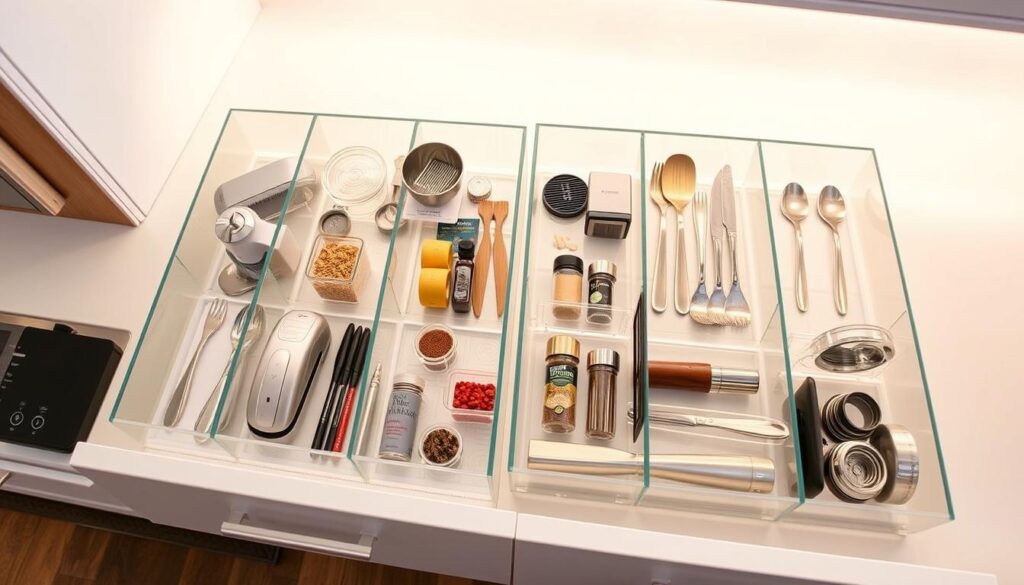
Customizable inserts create order where chaos once ruled. They turn jumbled utensils into neatly separated tools. Your cooking experience becomes faster and more enjoyable.
Organize Drawers with Customizable Inserts
Start by measuring your drawer dimensions. Choose adjustable dividers that fit your specific space. This approach creates perfect homes for every utensil and gadget.
Group similar items together for maximum efficiency. Keep all baking tools in one section. Place everyday utensils in another. This system saves precious time during meal preparation.
Kristen Bell uses this method for her tea collection. She keeps different varieties neatly separated yet easily accessible. You can apply this same principle throughout your kitchen.
- Measure drawer space before purchasing dividers
- Group utensils by function and frequency of use
- Adjust layouts as your needs change over time
- Create dedicated spots for specialty gadgets
Regular editing prevents overcrowding. Remove unused items to maintain breathing room. Your drawers will stay organized long-term.
Decant Dry Goods into Clear, Airtight Jars
Transform your pantry with clear containers that show exactly what you have. Decanting dry goods maintains freshness while reducing visual clutter. This method creates a cohesive, beautiful storage system.
Christina Anstead’s pantry demonstrates this approach perfectly. Her matching jars create a uniform look while keeping contents visible. You’ll always know when supplies need restocking.
Choose airtight containers for best preservation. They protect food from moisture and pests. Your ingredients stay fresher longer.
“Clear containers transform pantry organization from guessing game to perfectly visible system.”
Label each container for quick identification. This helps family members find what they need easily. Entertaining becomes simpler when everything is clearly marked.
Group similar items together on shelves. Keep all baking supplies in one area. Place snacks in another section. This logical flow streamlines cooking and cleanup.
Embrace the puzzle-like nature of organization. Play with different layouts until you find what works best. Your kitchen will become a joy to use every day.
These methods reduce stress and save time. They create systems that work for real life. You’ll build sustainable habits that keep your space organized long-term.
Streamline Your Pantry and Fridge for a Healthier Home
Ever open your refrigerator door and feel overwhelmed by hidden leftovers and forgotten groceries? Your food storage areas should work for you, not against you. A well-organized system saves time and reduces stress while supporting better eating habits.
Professional organizers like Joanna Teplin from The Home Edit show us how to transform chaotic spaces. Their methods create efficient systems that last. You’ll love how everything becomes visible and accessible.
Group Related Food Items Together in Bins
Start by taking everything out of your pantry and fridge. This lets you see exactly what you have. Group similar supplies together for logical organization.
Use clear bins to keep categories separate and visible. Place all snacks in one container. Keep baking supplies in another. This system prevents overbuying and reduces waste.
- Choose stackable bins to maximize vertical space
- Label each container for quick identification
- Rotate items so older products get used first
- Create dedicated zones for different food types
Many people find this approach life-changing. You’ll always know what you have at a glance. Grocery shopping becomes faster and more efficient.
Place Kid-Friendly Snacks at Their Level
Think about who uses your kitchen most often. Arrange shelves based on your family’s habits and heights. This encourages independence and healthy choices.
Place frequently used items within easy reach. Put heavier supplies on lower shelves for safety. Create special zones for different family members.
“When kids can access their own snacks, they develop confidence and make better choices.”
Use airtight containers to maintain freshness. Decanting dry goods keeps them protected from moisture. Your food stays fresher longer this way.
Regular editing keeps your space functional. Remove expired or unused items during weekly clean-outs. This ensures you only store what you actually consume.
These simple changes transform your food storage areas. They become efficient spaces that support your lifestyle. You’ll save time and reduce stress while eating better.
Create a System for Kids’ Rooms That They Can Maintain
What if your child’s space could stay tidy with minimal effort from you? A well-designed system turns cleanup into an independent activity kids actually enjoy. This approach builds confidence while keeping their area functional.
Professional organizers like Clea Shearer from The Home Edit show us how to make this work. Their methods create spaces that children can manage themselves. You’ll love watching your kids take pride in their tidy room.
Use Low, Open Bins for Easy Toy Clean-Up
Place open containers where little hands can reach them easily. Low baskets and bins make toy cleanup simple and fun. Children can see exactly where everything belongs.
Choose containers without lids for frequently used items. This eliminates frustration during cleanup time. Kids can quickly toss toys back without struggling with covers.
“Open bins encourage independence and make cleanup feel like play rather than work.”
Label each container with words or pictures. Young children can identify where things go using visual cues. This builds good habits from an early age.
Organize Books and Games with a Rainbow System
Arrange reading materials by color for visual appeal and easy sorting. The rainbow method creates a simple guideline for putting items back. Even young children can follow this logical system.
Place favorite books and games at eye level for easy access. Store messy or rarely used supplies higher up. This keeps daily favorites within reach while reducing clutter.
Regularly rotate toys to maintain interest and avoid overwhelm. Donate items that are no longer used or loved. This process keeps the space fresh and functional.
Incorporate closed storage for days when the system isn’t perfect. A few lidded boxes keep the room looking tidy without constant supervision. This realistic approach works for busy families.
These methods create spaces that promote creativity and reduce frustration. Children learn valuable skills about order and responsibility. Their room becomes a place they love to spend time in.
Tackle the Paper Clutter for a Digital, Paper-Free Life
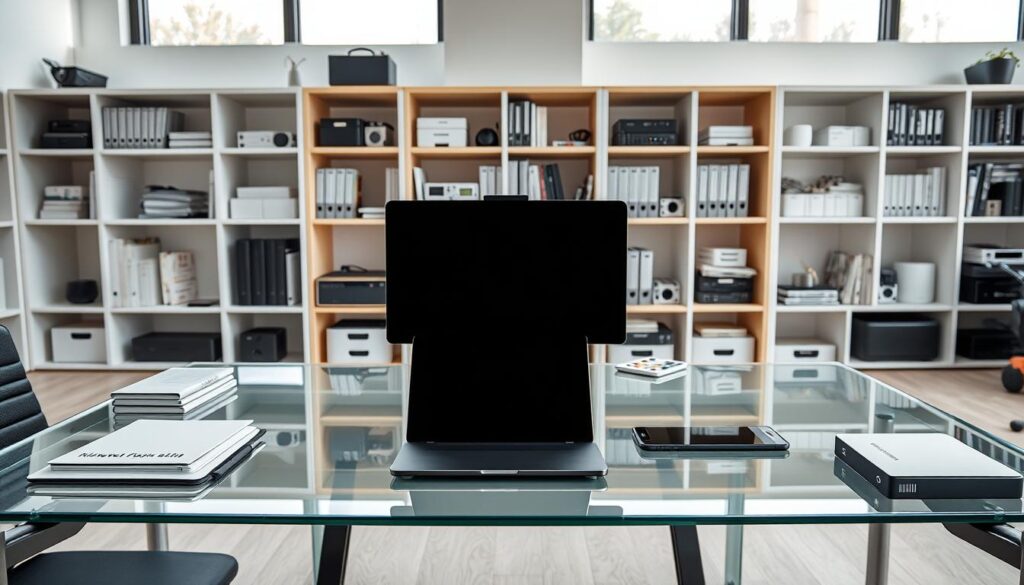
Imagine a workspace where you can find any document in seconds without digging through stacks of paper. That dream becomes reality when you embrace digital solutions. This modern approach clears physical space while keeping your information perfectly organized.
Professional organizers like Nikki Boyd recommend this strategy for busy households. It transforms how you handle important papers and cherished memories. You’ll create systems that work for your modern lifestyle.
Scan and Digitize Important Documents
Start with your most essential papers first. Use your smartphone or a scanner to create digital copies. Store them in cloud services like Google Drive for easy access.
This method ensures you can retrieve files from anywhere. You’ll never worry about lost or damaged paperwork again. Many people find this approach liberating.
“Digital organization reduces desk chaos and creates efficient systems,” notes professional organizer Nikki Boyd.
Create clear folders for different categories. Label them by type and date for quick searching. This logical way of organizing saves precious time.
Regularly review your digital files to prevent virtual clutter. Delete unnecessary items to keep your system clean. This maintenance ensures long-term efficiency.
Photograph and Curate Kids’ Artwork Digitally
Those precious drawings and crafts deserve preservation without physical storage. Photograph each piece in good lighting. Create beautiful online albums that tell your child’s creative story.
This approach lets you enjoy memories without clutter. You can share digital galleries with family members easily. It’s a wonderful way to honor your child’s artistic journey.
Involve your children in this process. Let them help photograph their favorite creations. This teaches valuable skills about technology and organization.
Keep only the most special physical pieces in a memory box. Display current favorites on a rotating art wall. This balanced approach works for real life.
Jeff Bezos emphasizes digital solutions for modern living. His approach reduces environmental waste while maximizing efficiency. You’ll appreciate the cleaner, more focused space.
These methods transform how you handle paper items. They create systems that support your digital lifestyle. You’ll build sustainable habits that keep your space organized.
Let Go of Sentimental Clutter Without Guilt
Do you have keepsakes that mean everything but create clutter? These treasures hold memories yet often sit unused. Finding balance between honoring the past and living in the present can feel challenging.
Professional organizer Shira Gill offers a compassionate approach. She believes you can cherish memories without being buried in belongings. Her method transforms sentimental items into active parts of your daily life.
Use Heirlooms or Display Them as Art
Turn precious possessions into beautiful displays instead of hidden storage. Frame handwritten recipes or childhood artwork. Create a gallery wall that tells your family’s story.
This approach gives meaning to every object in your space. You surround yourself with items that truly matter. Each piece contributes to your home’s unique narrative.
Designate a specific area for these special displays. A dedicated shelf or wall space keeps everything organized. This prevents sentimental things from spreading throughout your entire living space.
“Integrating sentimental pieces into your daily life honors memories without creating clutter,” notes Shira Gill.
Repurpose Sentimental Items for Everyday Use
Give heirlooms new purpose through creative reuse. Serve meals on grandmother’s china instead of keeping it boxed. Use vintage linens as table runners or decorative accents.
This way of thinking transforms unused items into functional treasures. You’ll enjoy memories daily rather than occasionally. Many people find this approach liberating.
For pieces you cannot use, consider digital preservation. Photograph meaningful objects before donating them. Create digital albums that tell their story without physical storage.
Regularly reassess your sentimental collection. Keep only what truly sparks joy and serves a purpose. This mindful approach reduces storage needs while maintaining meaning.
Your living space becomes more personal and intentional. You’ll create a home filled with cherished memories rather than overwhelming clutter. This balanced approach works beautifully for real life.
Conclusion: Build Sustainable Habits for Your Dream Home
Your journey toward a clutter-free life begins with small, consistent steps. Make organization part of your daily routine with quick tidy-ups.
Remember the methods you’ve learned and adapt them to your needs. Focus on consistency rather than perfect systems.
Get your family involved to share the responsibility. Regular editing keeps your space fresh and functional.
Celebrate every bit of progress you make. Enjoy the peace that comes with an organized area.
Start with one room today and build from there. Create an environment that supports your well-being and happiness.
FAQ
How can I start organizing my space like a celebrity?
Begin by editing your belongings—keep only what you truly love or use. Then, group similar items together and store them in clear, labeled containers for a clean, functional look.
What’s the best way to organize a closet for a polished appearance?
Group your clothes by type and color, use matching hangers, and maximize vertical space with shelves or racks for shoes and bags. This creates a streamlined, easy-to-navigate closet.
How do I keep my pantry and fridge organized?
Use clear bins to group similar food items, label everything, and place frequently used or kid-friendly items at eye level. Decanting dry goods into airtight jars also keeps things fresh and tidy.
What should I do with sentimental items I can’t part with?
Honor those pieces by displaying or repurposing them—turn heirlooms into decor or use sentimental objects in your daily life. This way, they bring joy without creating clutter.
How can I help my kids keep their rooms organized?
Use low, open bins for toys and implement a color-coded system for books and games. Make clean-up easy and fun so they can maintain their space themselves.
What’s the secret to maintaining an organized home long-term?
Build sustainable habits—edit regularly, label everything, and create systems that work for your lifestyle. Consistency is key to enjoying a peaceful, clutter-free environment.



