


In 2023, Chris Rock did something no comedian had ever done before. He performed a live Netflix special that was simultaneously broadcast across 200 countries with no opportunity for editing, no safety net, and no second take. It was the first live global comedy event in streaming history. That decision alone tells you everything about Chris Rock’s business instincts. He did not just respond to the slap heard around the world. He monetized it, on his own terms, at a scale no one had attempted before.
Early Life and Career Foundation
Christopher Julius Rock was born on February 7, 1965, in Andrews, South Carolina, and raised in Brooklyn, New York. His family was working class, and Rock was bused to a predominantly white school in Brooklyn where he faced consistent bullying and racism. He eventually dropped out of high school and earned his GED later, but the experience of being an outsider shaped his comedic lens in ways that would later make him one of the most incisive social commentators in the business.
He started performing stand-up in New York clubs in the mid-1980s and caught the attention of Eddie Murphy, who became an early mentor. A brief stint on Saturday Night Live from 1990 to 1993 did not make him a star immediately. His time on the show was largely frustrating, and he was underused. That failure, however, pushed him to return to stand-up with a ferocity that would define his career.
Business Evolution
Rock’s HBO special Bring the Pain in 1997 was the moment everything changed. It won two Emmy Awards and is widely considered one of the greatest stand-up specials ever recorded. It established him not just as a comedian but as a cultural voice, someone willing to say things about race, relationships, and American society that no one else was saying with that level of craft and courage.
From that point, Rock began building a media presence that extended well beyond performance. He created, wrote, and produced Everybody Hates Chris, a semi-autobiographical sitcom that ran on UPN and later The CW from 2005 to 2009. The show was not just a ratings success. It was a demonstration that Rock could function as a creator and producer, not just a performer. That distinction is critical. Performers earn salaries. Creators build equity.
Major Business Ventures
Rock has been one of the more aggressive negotiators in comedy when it comes to streaming deals. His Netflix specials, Tamborine in 2018 and Selective Outrage in 2023, were both premium deals. Tamborine was part of a broader Netflix push to sign top-tier comedians at rates that reflected the platform’s need for flagship content. The deal was reported to be in the range of $40 million for multiple projects.
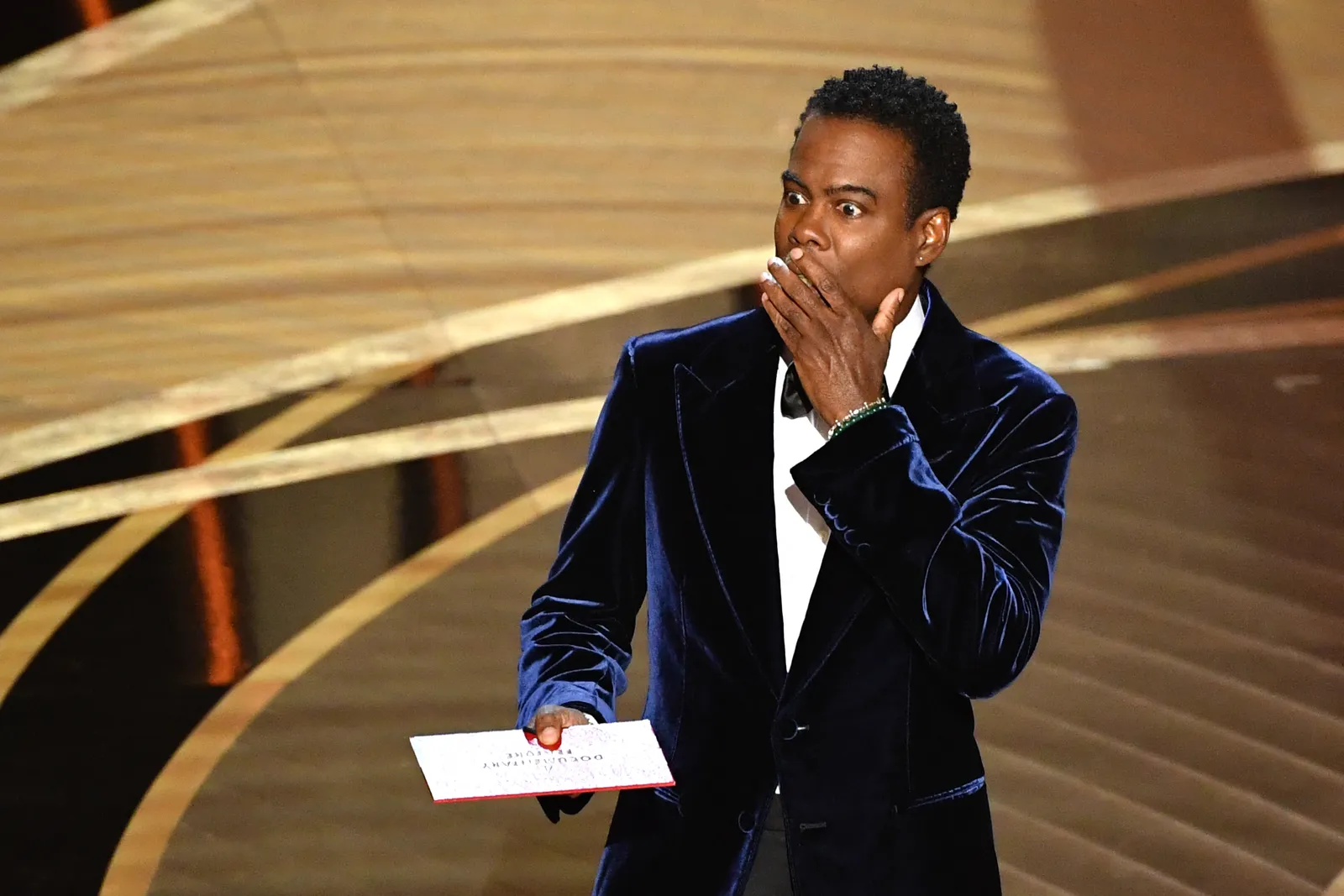
Selective Outrage, the live global special following the Oscars incident, was a masterstroke of timing and leverage. Rock had spent nearly a year declining to speak publicly about Will Smith slapping him at the Academy Awards. When he finally addressed it, he did so in the most commercially powerful format available, a live, unedited, worldwide broadcast. Netflix promoted it as a historic event. The viewership reflected that. Millions tuned in, making it one of the most-watched comedy events in streaming history.
He has also built significant income through film, both as an actor and as a producer. His production work includes projects developed through his own banner, and his acting career spans everything from the Madagascar animated franchise to prestige drama in the Fargo television series, where he demonstrated a range that broadened his commercial appeal considerably.
Strategic Thinking and Brand Building
Rock’s brand has always been built on truth-telling, and his ability to address uncomfortable realities with precision and humor has made him a uniquely durable figure in comedy. He understands that controversy, handled correctly, is not a threat to a brand. It is fuel.
His response to the Oscars slap was a case study in patience as a business strategy. By saying nothing for months, he allowed the public’s appetite to build to a fever pitch. When he finally spoke, he had the world’s attention and a platform, Netflix Live, that could monetize that attention at a global scale. The result was a special that generated enormous earned media, required almost no traditional marketing spend, and cemented his position as one of the most commercially valuable comedians alive.
His touring model has also been deliberate and premium. He does not tour constantly. He builds anticipation, releases a special, and then tours in support of it at ticket prices that reflect his market position.
Key Lessons and Tactics
The first lesson from Rock’s career is that silence can be a more powerful business tool than speaking. His decision to wait before addressing the slap created scarcity of information that translated directly into audience demand. The second lesson is that failure early in your career, his underutilized SNL years, can redirect you toward a path that ultimately generates more value than the original opportunity would have.
The third lesson is that owning the creative process, through production companies and creator credits, builds wealth in ways that performance alone cannot. The fourth is that timing is everything in monetization. Rock did not just have a story to tell. He waited until the format and the platform matched the scale of the story. The fifth lesson is that range increases your commercial surface area. By moving into dramatic acting, he opened doors to revenue streams unavailable to comedians who stay in one lane.
The sixth lesson is that live, uneditable performance, when executed at the right moment, creates a sense of event that recorded content cannot replicate. The seventh is that your worst public moment, handled with patience and strategy, can become your greatest commercial opportunity.
Challenges, Controversies, and Failures
Beyond the Oscars incident, Rock has faced criticism for material in his specials that some audiences found offensive, particularly around gender and relationships. His SNL years were a genuine professional struggle, and his early film work was inconsistent. Not every project has landed, and not every creative bet has paid off.
His personal life, including a publicized divorce, has occasionally intersected with his public persona in ways that were not entirely of his choosing. But Rock has consistently demonstrated an ability to absorb personal difficulty and convert it into material, which is both a coping mechanism and a business model.
Current Empire and Net Worth Perspective
Chris Rock’s net worth is estimated at approximately $60 million, with income streams that include Netflix deals, stand-up touring, film acting and production, and television royalties from Everybody Hates Chris. His earning trajectory has accelerated in recent years, driven largely by the commercial success of Selective Outrage and the premium positioning of his live touring.
His influence on the business of comedy is substantial. He helped establish the template for the premium stand-up special in the streaming era and demonstrated that a single live event could function as both a cultural moment and a major revenue vehicle.
Conclusion
Chris Rock’s career is a lesson in resilience, patience, and the strategic use of adversity. He turned a humiliating public moment into one of the most-watched comedy events in streaming history, not through anger or desperation, but through calculated patience and precise timing.
The takeaway is clear. You do not control what happens to you. You control when and how you respond. And if you wait long enough, and choose your moment wisely, even your lowest point can become your highest-earning one.



