


In 2005, Dave Chappelle walked away from $50 million. Not because he was broke, not because the deal fell through, but because something felt wrong. That decision, one of the most talked-about moments in entertainment history, was not a breakdown. It was a boundary. And understanding why Chappelle made that choice tells you everything about the man, the brand, and the business mind behind one of the most remarkable career comebacks the entertainment world has ever witnessed.
Early Life and Career Foundation
David Khari Webber Chappelle was born on August 24, 1973, in Washington D.C. His parents were both academics, and he grew up in a household that valued intellectual independence and self-expression. He discovered comedy early, performing at open mic nights in D.C. as a teenager and moving to New York City at 14 to pursue his dream. He bombed at the Apollo Theater’s Amateur Night, getting booed off stage, but he stayed in the game.
His early years were a grind. He appeared in films like Robin Hood: Men in Tights and The Nutty Professor, and built a following through stand-up and small screen appearances throughout the 1990s. He was talented, clearly, but the entertainment industry was not sure what to do with him. He was too sharp for mainstream packaging, too raw for network polish.
Business Evolution
The launch of Chappelle’s Show on Comedy Central in 2003 changed everything. The show was a cultural explosion, blending sketch comedy with social commentary in a way that had never quite been done before. It became the fastest-selling television DVD in history at the time, moving over 3 million units in its first year. That number matters because it revealed the scale of Chappelle’s audience, an audience that was young, loyal, and hungry for more.
Comedy Central offered him $50 million to continue the show for two more seasons. He walked away. At the time, the public reaction ranged from confusion to concern. But Chappelle has since explained his reasoning clearly. He felt the creative direction of the show was being compromised, and he was uncomfortable with how certain material was being received and potentially used. He chose his integrity over the money. That is not a business mistake. That is brand preservation at the deepest level.
Major Business Ventures
After years of relative quiet, Chappelle returned to stand-up and signed a deal with Netflix that reshaped the economics of comedy specials entirely. Between 2017 and 2023, Netflix released multiple Chappelle specials, with individual deals reportedly worth between $20 million and $24 million per special. That pricing made him the highest-paid stand-up comedian in the world at that time and set a new market rate for comedy content across the entire streaming industry.
The Netflix deal was not just about the money. It was about leverage. By the time Chappelle signed with Netflix, he had spent over a decade rebuilding his mystique through limited performances and word-of-mouth. His scarcity had created enormous demand, and Netflix paid a premium to capture it. He did not chase the platform. The platform chased him.
He has also been thoughtful about his live performance business. He performs at the Chappelle’s Last Supper comedy festival in Yellow Springs, Ohio, a small town where he has lived for years and where he has deep community roots. The festival model allows him to control the environment, curate the lineup, and generate revenue on his own terms without relying on traditional touring infrastructure.
His real estate investments in Yellow Springs represent another dimension of his business thinking. He has purchased land and property in the area, becoming a significant stakeholder in a small community. When a local development project threatened the character of the town, he publicly opposed it and reportedly withdrew plans that would have brought significant outside commercial activity to the area. He chose community over commerce, which deepened his local influence and his reputation as someone who actually lives by his values.
Strategic Thinking and Brand Building
Chappelle’s brand is built on authenticity, and authenticity, when it is real, is one of the most defensible positions in any market. He does not do endorsements. He does not appear in commercials. He does not flood the media landscape with content. Every appearance, every special, every interview feels like a rare event, and that scarcity keeps his market value elevated year after year.
His monetization model is deliberately simple. He earns from live performance, streaming deals, and selective media appearances. He has no product lines, no lifestyle brands, no celebrity tequila. His asset is his voice and his credibility, and he protects both fiercely. That discipline is rarer than it sounds in an industry that constantly pushes entertainers toward brand extension and commercial dilution.
Key Lessons and Tactics
The first lesson from Chappelle’s career is that walking away from bad money is sometimes the most profitable long-term decision you can make. The second is that scarcity is a pricing strategy. By performing selectively and releasing content on his own timeline, he commands rates that reflect demand rather than desperation.
The third lesson is that authenticity compounds over time. His refusal to compromise his voice, even when it cost him commercial opportunities, made him more valuable to the right partners when the moment came. The fourth is that community investment can be a real business strategy. His presence in Yellow Springs has created a loyal local base and a narrative around his brand that no marketing campaign could have manufactured.
The fifth lesson is that leverage comes from patience. Chappelle waited over a decade before returning to mainstream media at scale, and when he did, he had more negotiating power than he would have had if he had stayed visible the entire time. The sixth is that controlling the environment of your work, through ownership, festival production, or content deals, protects the quality of the output. The seventh is that your personal values, when applied consistently, become a competitive advantage.
Challenges, Controversies, and Failures
Chappelle’s Netflix specials generated significant controversy, particularly around his commentary on the transgender community. Several specials drew protests from LGBTQ advocacy groups, Netflix employees staged a walkthrough in response to one release, and major media outlets debated whether Netflix should have released the content at all. Netflix ultimately stood behind the specials, with leadership making a public statement about artistic freedom.
The controversy was real and the impact was not trivial. Chappelle lost some audience segments and faced sustained criticism from communities he had offended. His response was to continue performing, continue speaking his mind, and refuse to apologize for material he believed in. Whether one agrees with his positions or not, the business outcome was clear. The controversy drove massive viewership to his specials and strengthened his position with his core audience, who saw his defiance as confirmation of exactly what they valued about him.
His earlier departure from Chappelle’s Show also left money on the table in the short term. The seasons that were filmed without him were released as a partial third season, and while they generated revenue for Comedy Central, Chappelle had no control over that material or its commercial exploitation.
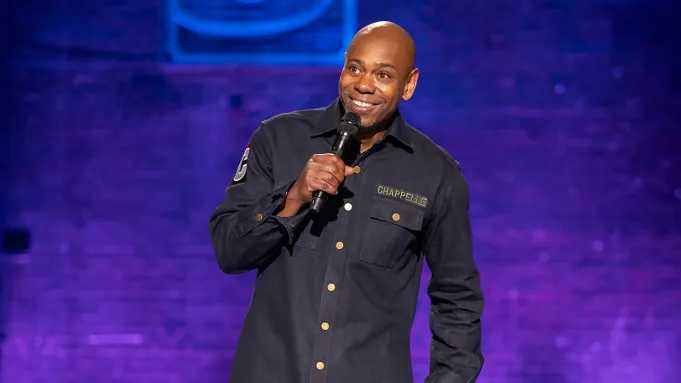
Current Empire and Net Worth Perspective
Today, Dave Chappelle’s net worth is estimated at approximately $60 million, a figure that some analysts believe is conservative given the scale of his Netflix deals and live performance earnings. His income streams include streaming residuals and licensing, premium stand-up touring, festival production through his Yellow Springs events, and real estate holdings in Ohio.
His influence on the comedy industry is arguably larger than his balance sheet suggests. He single-handedly elevated the going rate for stand-up specials on streaming platforms, which has benefited dozens of other comedians who negotiated deals after his precedent was set. He demonstrated that a comedian could walk away from a network, rebuild on their own terms, and return to the market with more power than they had before.
Conclusion
Dave Chappelle’s story is not a traditional business success narrative. There is no IPO, no startup, no brand empire built through product launches and marketing spend. His story is about something more fundamental: the long-term value of knowing who you are and refusing to sell it cheaply.
He turned down $50 million, disappeared for a decade, and came back to earn more per special than most entertainers make in a lifetime. The market rewarded his patience, his authenticity, and his discipline in ways that no amount of strategic planning could have guaranteed.
The takeaway is this. Your integrity is not a liability in business. In the right hands, with the right patience, it is the most valuable asset you own.



