
- Home
- Pop Culture
- Pitbull: From Miami Streets to ...

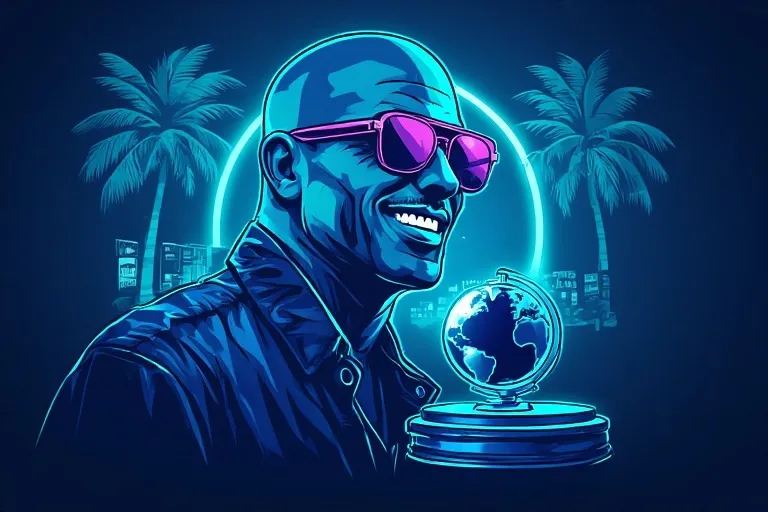
Armando Christian Pérez was born in Miami, Florida, to Cuban exile parents who had fled the Castro regime with nothing but the determination to rebuild. His parents separated when he was young, and he was passed between family members during a difficult childhood that included exposure to drug culture and street life in the Little Havana and Westchester neighborhoods of Miami. His father introduced him to the poetry of José Martí and the philosophy of self-determination at an early age, and that intellectual foundation, the idea that a man authors his own destiny through relentless work and strategic thinking, became the organizing principle of a career that most of the music industry consistently underestimated until the numbers made underestimation impossible.
The Miami Bass Foundation and the Hustle Education
Before Pitbull became a global brand, he spent years embedded in the Miami bass and freestyle rap scene, learning the mechanics of regional music markets from the ground up. He connected with Luther Campbell of 2 Live Crew fame, one of the most important and most underappreciated business figures in hip-hop history, who gave him early studio access and an education in the economics of independent music distribution that formal business schools do not teach. Campbell had fought all the way to the Supreme Court defending artistic freedom and had built and lost a music empire through a combination of brilliance and circumstance. The lessons Pitbull absorbed from that mentorship shaped his understanding of ownership, distribution, and the dangers of being commercially dependent on a single partner.
He signed with TVT Records in 2004 and released M.I.A.M.I, his debut album, which performed modestly but established him within the Latin hip-hop ecosystem. TVT Records was a mid-sized independent label with a complicated reputation, and the experience of navigating that relationship gave Pitbull an early and practical education in the ways that label structures can limit an artist’s financial upside even when their commercial output is strong. He watched his music generate revenue and cultural traction while his own financial returns remained constrained by deal terms that favored the label. That frustration became productive motivation.
The Pivot to Global Pop and the Science Behind It
The most consequential strategic decision of Pitbull’s career was his deliberate pivot toward international pop production in the late 2000s. While his peers in the Miami rap scene were focused on regional markets and hip-hop credibility, Pitbull was studying the global music landscape and identifying a structural opportunity that almost nobody else in his position was pursuing. He recognized that the emerging markets of Latin America, Europe, and Asia were consuming American and English-language pop music at an accelerating rate, and that an artist who could authentically bridge English and Spanish while delivering radio-friendly, dance-floor-ready production would have access to a global audience that a purely English-language or purely Spanish-language artist could never reach.
He signed with J Records under Clive Davis and released Rebelution in 2009, which produced the international hit I Know You Want Me. That song reached the top ten in over fifteen countries and established him as a genuinely global commercial property rather than a regional American act. The global reach was not accidental. He had specifically designed his sound and his feature strategy to travel across language barriers and radio formats simultaneously, which is considerably more difficult than it sounds and considerably more valuable than most artists appreciate.
His partnership with producer RedOne, who had also worked extensively with Lady Gaga, gave him access to production infrastructure built specifically for global pop domination. RedOne understood how to make records that worked in Miami, Madrid, and Manila simultaneously, and Pitbull’s willingness to adapt his artistic identity to serve that global ambition rather than protecting a narrower artistic purity was the commercial intelligence that his critics misread as creative compromise.
Planet Pit, Ownership, and the Label Structure
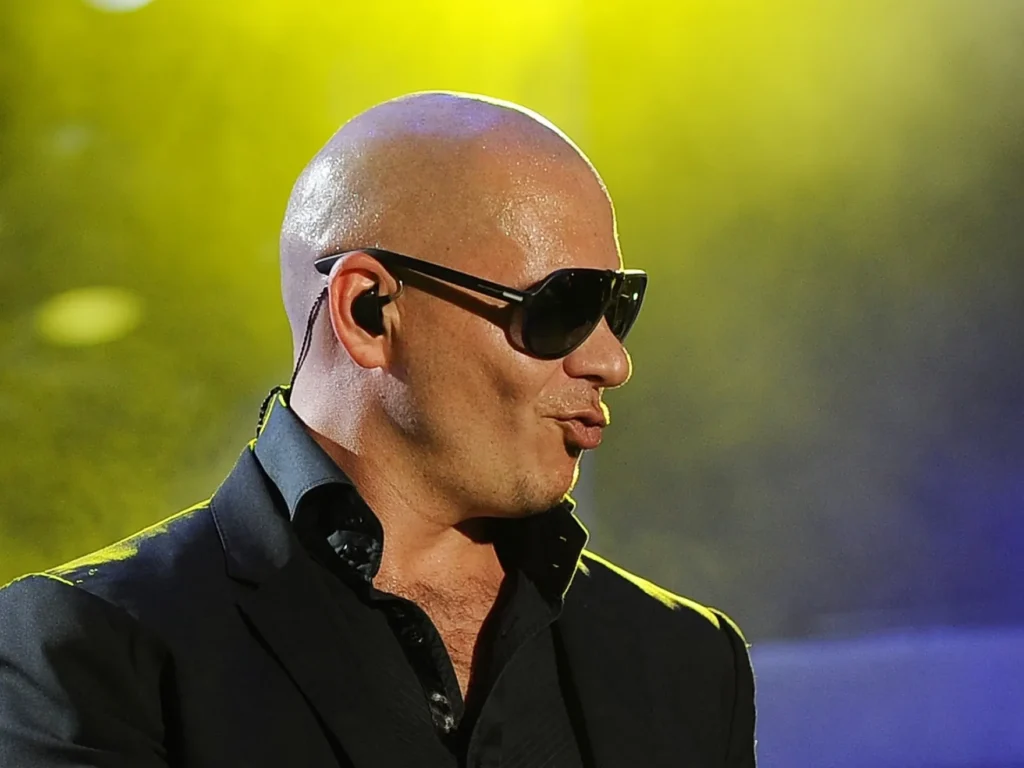
Rather than remaining a signed artist indefinitely, Pitbull established Planet Pit as his label and management infrastructure, giving him the ability to develop artists, control his own masters on new projects, and participate in the upstream economics of music rather than simply being a content provider for other people’s balance sheets. The label structure allowed him to build a team and a business around his brand rather than treating his name as a personal asset to be licensed to corporate partners.
He also developed a management and business relationship with his longtime partner and manager John Shahidi through Suave Entertainment, a structure that kept his core business interests within a trusted inner circle rather than distributing control across multiple corporate intermediaries. Artists who build their business infrastructure around people with aligned long-term interests consistently outperform those who rely on rotating relationships with large agencies and management companies whose client rosters create inherent conflicts of interest.
The Endorsement Empire and the Mr. 305 Brand
Pitbull built one of the most extensive brand endorsement portfolios in music, and the intelligence of that portfolio lies in its geographic targeting as much as its scale. His deals with Voli Vodka, which he eventually took an equity stake in, Sheets Energy Strips, Honey Smacks, and most significantly Walmart and Dr. Pepper were structured around his core brand identity as a hardworking, aspirational, globally connected entertainer who appealed to mainstream American consumers across demographic lines.
The Walmart partnership was particularly significant because it was built on genuine strategic alignment rather than simple celebrity association. Walmart’s core customer base overlaps substantially with the demographic that Pitbull’s music reaches most deeply, working class and middle class Americans and Latin Americans who respond to his message of hard work, self-determination, and unapologetic ambition. Walmart was not paying for access to a cool factor that its customers did not share. It was paying for access to genuine cultural relevance within its actual customer base, which is a much more commercially valuable proposition.
His equity position in Voli Vodka applied the same ownership logic that the most financially sophisticated entertainers have consistently deployed. Rather than accepting a flat endorsement fee to promote someone else’s product, he negotiated for a stake in the company itself, meaning that every dollar of value created by the Voli brand accrued partially to him rather than entirely to someone else. The vodka market is competitive and margins can be slim, but an equity position in a growing consumer brand generates compounding returns that a one-time fee structurally cannot match.
Education, Philanthropy, and the Brand Equity of Purpose
In 2014, Pitbull did something that very few entertainers at his commercial level have done with genuine commitment: he took over the management of a struggling public school in Miami and invested real time, real resources, and real personal attention into transforming it into a functioning institution. The school, originally called Sports Leadership and Management Academy and later rebranded as one of the SLAM schools, became the foundation of an educational network that expanded to multiple locations across Florida and beyond.
His involvement was not a publicity exercise. He showed up personally, spoke to students regularly, and used his business network to attract resources and attention to institutions that serve communities like the one he came from. The commercial consequences of that genuine commitment were significant even if they were not the primary motivation. The brand equity of authentic social purpose is enormous in the modern consumer environment, where audiences increasingly make purchasing and loyalty decisions based on whether a public figure’s stated values are reflected in their actual behavior.
The SLAM school network gave Pitbull a credibility and a community relationship that no endorsement deal could manufacture. When he walked into a room with corporate partners, government officials, or media organizations, he was not just a pop star with a catchy hook and a good publicist. He was a man who had used his platform to build educational infrastructure in underserved communities, and that identity expanded his access and his influence into rooms that entertainment credentials alone would not have opened.
305 to 1 and the Media Ownership Play
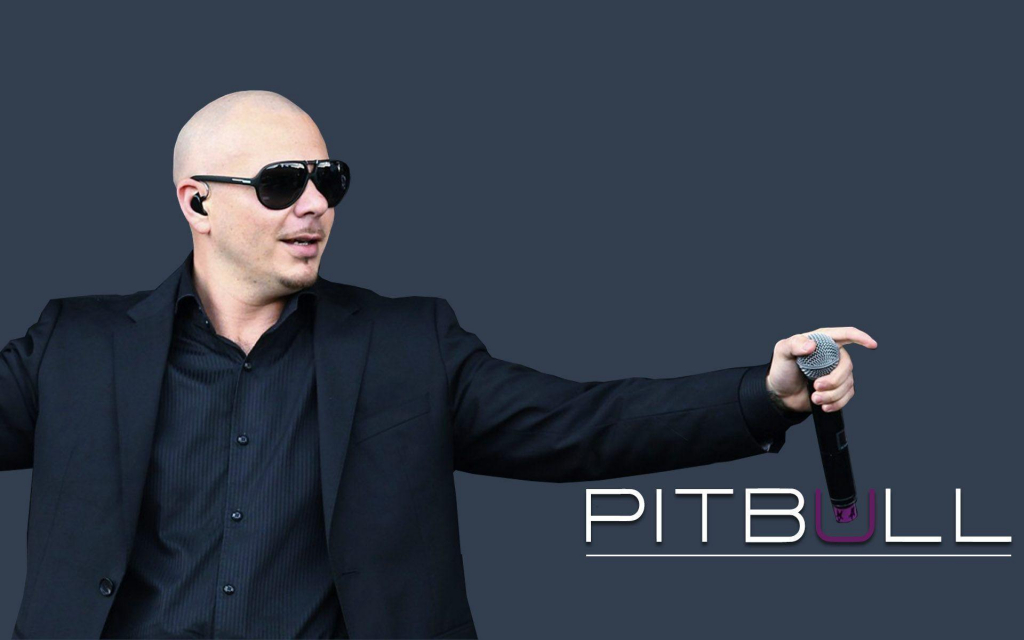
Pitbull has progressively moved toward media ownership and content development as the organizing logic of his next commercial phase. His investment in and partnership with the Trackhouse Racing NASCAR team brought him into professional motorsport at a level of genuine equity participation, not simply as a celebrity face on a sponsorship banner but as a business partner with financial skin in the game. NASCAR’s demographic audience has significant overlap with his core fanbase, particularly among Latin American sports fans in Florida and the Southeast, making the cultural fit more genuine than it might appear from the outside.
He also launched his own Sirius XM radio channel, Pitbull’s Globalization, which gives him direct ownership of a broadcast platform reaching millions of listeners. A radio channel is not just a vanity project for an artist of his commercial standing. It is a distribution infrastructure for his music, a promotional platform for his brand partnerships, a content vehicle for his broader media ambitions, and a recurring revenue stream from the licensing arrangement with Sirius XM. Owning a channel rather than simply appearing on channels is the difference between being a product and being a platform.
The Live Business and the Touring Machine
While the recorded music industry has been disrupted repeatedly by technological change, the live music business has proven remarkably resilient, and Pitbull has built one of the most consistent and profitable touring operations of any artist in his commercial tier. He performs over one hundred shows annually in normal years, across a global circuit that spans North America, Latin America, Europe, and beyond. At reported fees ranging from 500,000 dollars to over one million dollars per performance for major events, the annual touring income alone generates returns that most businesses would consider exceptional.
The consistency of his live business reflects the consistency of his audience relationship. He does not have the kind of career that spikes dramatically with each major release and valleys between them. His audience shows up reliably because he shows up reliably, and the predictability of that income stream is a financial asset in itself. Predictable recurring revenue allows for better long-term investment planning, more stable business infrastructure, and greater negotiating confidence with partners who value reliability as highly as peak commercial performance.
The Philosophy That Built the Empire
Pitbull is one of the most philosophically consistent figures in the music business. The themes that run through his lyrics, self-determination, hard work, international ambition, and the refusal to accept limitations imposed by others, are identical to the themes that run through his business decisions. He did not perform confidence while privately doubting himself. He constructed an identity rooted in genuine conviction and then built businesses that expressed and extended that identity into every available commercial category.
His estimated net worth sits at approximately 100 million dollars as of 2025, assembled from music royalties across a catalogue spanning two decades of consistent commercial output, touring income from one of the most active live schedules in popular music, equity positions in Voli Vodka and other consumer brands, the Globalization radio channel, NASCAR team partnership returns, educational venture income, and brand endorsement arrangements structured to generate long-term value rather than one-time fees.
He came from a Cuban exile family in Little Havana with nothing except a work ethic inherited from parents who had already rebuilt their lives once from scratch. He watched them do it and concluded that the only thing standing between a person and their ambitions was the willingness to outwork everyone in the room and the intelligence to make sure the work was pointed in the right direction. Miami shaped the hunger. The philosophy his father taught him shaped the direction. Everything else was execution, relentless, global, and entirely deliberate.



