- Home
- Fashion & Style
- Strategic Mogul: The Business ...


Naomi Campbell is one of the most recognizable names in the history of fashion, and while her legacy on the runway is unquestionable, the business infrastructure she has constructed around her name and image over four decades represents an increasingly sophisticated and deliberate commercial enterprise. Campbell’s approach to brand building and entrepreneurship reflects both the challenges and the opportunities that come with occupying a singular position in global popular culture.
Early Career and Fame
Campbell was discovered at 15 while shopping in Covent Garden and signed with Elite Model Management. Within a year, she had appeared on the cover of British Elle and was walking for top designers in Paris. By the late 1980s, she was part of a generation of models alongside Cindy Crawford, Linda Evangelista, and Christy Turlington who redefined what a model could be commercially and culturally. She was the first Black woman to appear on the covers of French Vogue and Time magazine’s style issue, and her presence on international runways helped open doors for a generation of models of color who followed her.
Entry into Business
Campbell’s earliest forays into commercial enterprise beyond modeling came through her fragrance portfolio. She launched her first fragrance, Naomi, in 1999, beginning what would become a sustained and profitable series of licensed scent products. The fragrance category, with its relatively low barrier to entry for established celebrities and its consistent licensing revenue model, provided Campbell with her first experience of brand monetization beyond the modeling fee structure. She would go on to develop multiple fragrance lines over the following two decades, including Naomagic, Cat Deluxe, and others, building a portfolio that generated significant royalty income with minimal operational overhead.
Business Empire and Ventures
Campbell’s business portfolio is more diversified than is commonly understood. Beyond fragrances, she has been actively involved in fashion collaboration and design consulting, working with major brands to develop limited collections that leverage her aesthetic authority. Her collaborations have ranged from streetwear to luxury ready-to-wear, and in each case she has negotiated terms that reflect her understanding of the value her name and network bring to a partnership.
She launched a YouTube channel, No Filter with Naomi, which evolved into a significant media property generating content that includes high-profile interviews, fashion commentary, and cultural analysis. The channel’s commercial model built on advertising revenue, sponsored content, and brand partnership represents a modern iteration of the media ownership strategy that Banks pioneered through broadcast television. By controlling her own media output, Campbell retains editorial authority and commercial upside that traditional media appearances do not offer.
Campbell has also been a consistent philanthropic entrepreneur. Her work with Fashion for Relief, the charity she founded in 2005, has generated tens of millions of dollars for global disaster relief efforts through fashion events that simultaneously function as high-visibility brand platforms. Fashion for Relief events have been staged at the Cannes Film Festival, during Fashion Weeks in multiple cities, and at other high-profile international gatherings, maintaining Campbell’s relevance in the fashion ecosystem while serving a genuine humanitarian purpose.
Her investment activity has been less publicly documented than some of her peers, but she has been vocal about her interest in African fashion and business ecosystems, participating in initiatives that support emerging designers and entrepreneurs across the continent. She sits on advisory boards and has used her platform to amplify African luxury brands in international markets, a form of commercial advocacy that builds both cultural capital and business relationships.
Branding Strategy
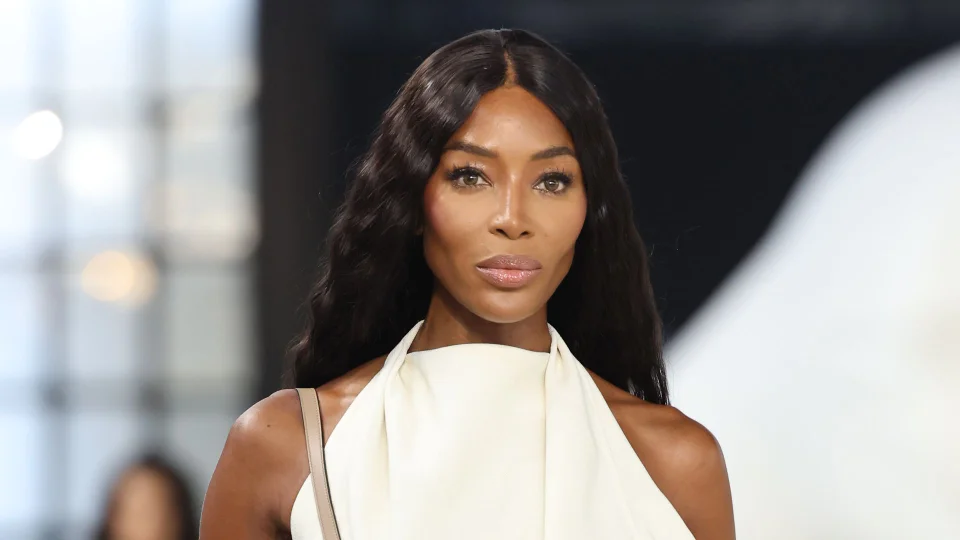
Campbell’s brand is built on an almost mythological foundation of excellence, exclusivity, and longevity. In an industry that routinely discards its participants after a few years of commercial productivity, she has sustained commercial relevance for four decades by consistently refusing to accept the industry’s terms for when a model’s moment is over. Her continued presence on major runways, in campaigns for brands including Valentino and Burberry, and at the center of global fashion events is itself a branding achievement of enormous strategic significance.
She has been deliberate about controlling her image and narrative, giving interviews selectively and maintaining an air of inaccessibility that paradoxically increases demand for her attention and association. This scarcity dynamic is a sophisticated brand management technique that many celebrities with greater media ubiquity fail to achieve.
Challenges and Failures
Campbell’s business career has not been without complications. Her well-documented legal difficulties in the early 2000s, including incidents that resulted in civil settlements and community service requirements, created reputational turbulence that required careful management. The fashion industry, which has its own complex relationship with celebrity behavior, largely absorbed these incidents without permanently diminishing her commercial standing, but they nonetheless represented periods during which her ability to operate at full capacity was constrained.
Her entry into digital media also came later than that of some peers, meaning she spent years without the direct audience relationship that social media provides before fully embracing platforms that now give her access to millions of followers without intermediaries.
Current Business Status
Today Campbell is more commercially active than at almost any previous point in her career. Her modeling work continues at a level that defies conventional industry timelines, and her media and content activities through No Filter and its associated brand partnerships have given her a sustainable revenue stream that is audience-driven rather than gatekept by traditional media organizations. She continues to develop her fragrance portfolio and fashion collaboration business, and her philanthropic work through Fashion for Relief keeps her embedded in the institutional fabric of the global fashion industry.
Conclusion
Naomi Campbell’s business story is ultimately a story about the power of sustained excellence and strategic self-management in an industry that was not designed to reward either. She has built a commercial infrastructure that spans fragrance, media, fashion design, philanthropy, and advisory work, and she has done so while continuing to perform at the highest level in her original discipline. For any entrepreneur seeking to understand how to leverage a personal brand over decades rather than years, Campbell’s career provides one of the most instructive examples available.