- Home
- Pop Culture
- How Celebrities Avoid Being Ty ...

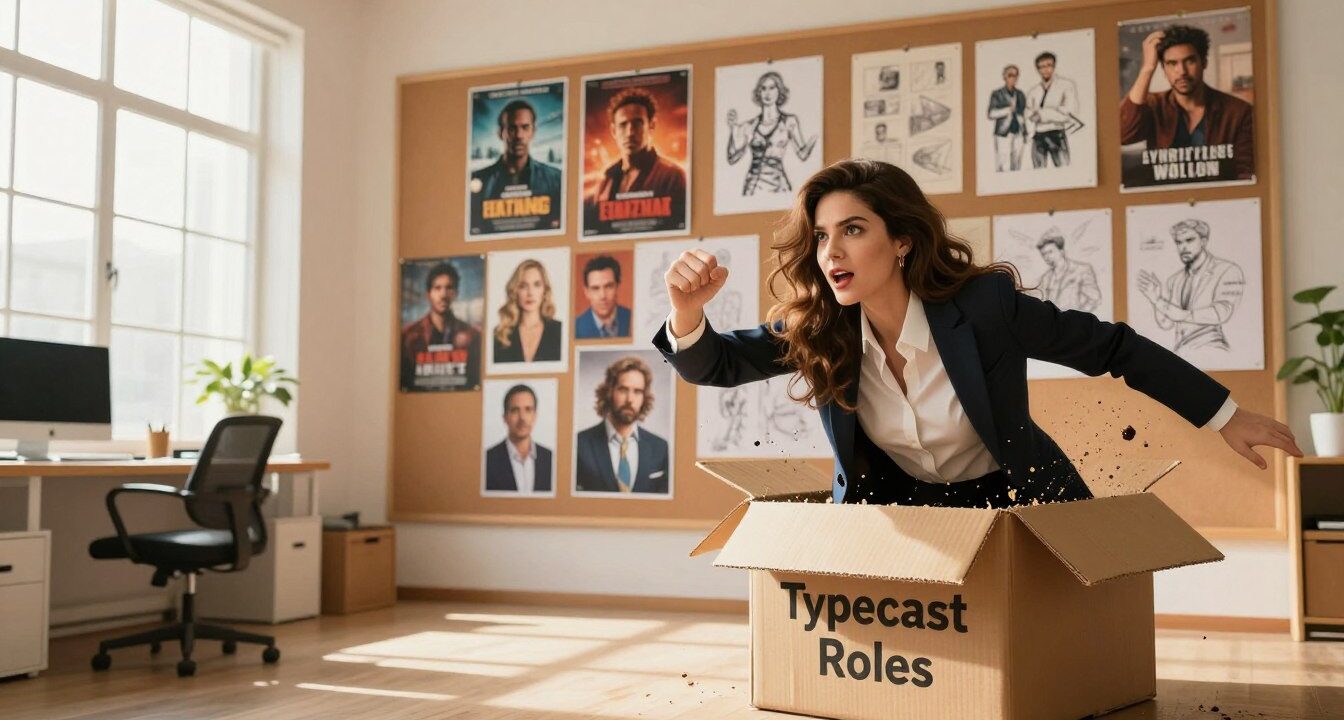
In Hollywood, typecasting can be a big problem for actors. When they keep getting the same roles, it’s hard to move past the stereotypes.
To get around this, many stars use celebrity typecasting strategies. They take on different roles and make smart career choices. This shows they can do more than just one type of character.
This way, they not only break the typecast mold but also breathe new life into their careers. They get to play new characters and explore different genres. By doing this, they keep their image fresh and exciting for their fans.
Understanding Typecasting in Hollywood
The film industry has long faced the issue of typecasting. This practice can either boost or hinder an actor’s career. Typecasting means casting actors in roles similar to their past ones, often because of their success in those roles.
What is Typecasting?
Typecasting happens when an actor keeps getting cast in similar roles. This is because of their looks, acting style, or past roles. Actors often get stuck in one genre or character type, making it hard to play different roles.
Historical Context of Typecasting
Typecasting started early in cinema, with actors cast based on looks or past roles. Charlie Chaplin is a classic example. He was first seen as a comedic actor but later showed his range by directing and producing.
The studio system also played a big role in typecasting. Actors were tied to studios and often played the same roles. The end of this system brought more freedom, but typecasting still exists.
The Impact on Actors’ Careers
Typecasting can greatly affect an actor’s career. It can bring fame and fans, but also limit roles. Many actors have overcome typecasting by playing different roles or producing, opening up new opportunities.
Breaking free from typecasting is possible. By understanding its history and effects, the industry can work towards more diverse casting.
The Role of Versatility in Acting
Being able to adapt and play different roles is key for an actor. It helps them avoid being stuck in one type. This versatility is crucial for a successful acting career. It lets actors try out different genres and characters, making their journey more enriching.
Why Versatility Matters
Versatility is important because it helps actors avoid being stuck in one role or genre. By taking on different roles, actors show their range and depth. This makes them more appealing to casting directors and audiences.
This adaptability is vital in a changing industry. It keeps actors relevant and opens up more opportunities for them. Actors can explore various genres, from drama and comedy to action and horror. This keeps their career exciting and challenges them as performers.
Examples of Versatile Actors
Many actors have shown their versatility in their careers. Meryl Streep is famous for her ability to play different roles. She has done everything from drama to comedy in films like “The Devil Wears Prada” and “Kramer vs. Kramer.”
Daniel Day-Lewis is another example. He dives deep into his characters. He has played roles like Abraham Lincoln in “Lincoln” and Daniel Plainview in “There Will Be Blood.”
Techniques to Enhance Versatility
Actors can become more versatile by taking on diverse roles and working with different directors. Working with innovative directors can teach them new acting techniques. This helps them grow as performers.
Trying out different genres is also a good way to enhance versatility. For example, an actor known for comedy can try drama. This challenges them and keeps their work interesting and engaging.
- Engaging in diverse projects
- Working with different directors
- Exploring various genres
Strategic Role Choices by Celebrities
Breaking away from typecasting needs careful thought in choosing roles. Many stars do this to show their range and keep their careers exciting.
Selecting Diverse Characters
Choosing diverse characters is key to avoiding typecast roles. Celebrities who play many roles show their acting skills and attract more fans. For example, Daniel Day-Lewis and Meryl Streep are known for their wide range.
Playing different roles challenges them creatively and helps them grow. It boosts their reputation and keeps their work fresh for fans.
Collaborating with Innovative Directors
Working with new directors helps celebrities avoid typecasting. Directors who try new things offer unique roles for actors.
For example, working with Quentin Tarantino or Ava DuVernay can lead to standout performances. These collaborations can make a star known for versatility.
Embracing New Genres
Trying new genres is a smart move to avoid typecasting. Celebrities who explore different genres find new talents. This keeps their career exciting and opens up new chances for creativity.
An actor known for drama might shine in comedy or action. This bold move surprises fans and critics, leading to a more varied career.
In summary, by playing diverse roles, working with new directors, and trying new genres, stars can avoid typecasting. This keeps their careers vibrant and engaging in Hollywood.
Power of Reinvention in Film
Celebrities can break free from typecasting by reinventing themselves. This means more than just playing different roles. It’s about changing how they look on screen and even off screen.
Changing Image through Role Transformation
Role transformation is key for celebrities wanting to move past typecasting. Actors can show their range by playing different characters. For example, a comedian might take on a serious role to prove their acting skills.
Key strategies for role transformation include:
- Selecting scripts with complex, multi-dimensional characters
- Working with directors who challenge actors
- Choosing genres or roles that are far from their usual work
Celebrities Who Reinvented Themselves
Many celebrities have reinvented themselves. Daniel Day-Lewis fully becomes his characters. Charlize Theron changed dramatically for “Monster,” winning an Oscar.
These stories show how reinvention can bring fame and critical praise. By taking on new roles, actors stay fresh in the film world.
The Marketing of Reinvention
Marketing a celebrity’s new image is vital. Publicists and marketers help show off the actor’s new look or role. They use interviews, photos, and social media to introduce the new persona.
Good marketing of reinvention can fight typecasting and create excitement for new projects. This can lead to more success at the box office and recognition in the industry.
Expanding Beyond Traditional Roles
Celebrities can break free from being typecast by trying new things. This move makes their careers more interesting and opens doors to new opportunities.
Transitioning to Different Mediums is a big step. Celebrities are now exploring TV, theatre, and streaming. For example, many movie stars have moved to TV, using their skills to win over viewers.
Transitioning to Different Mediums
Actors want to reach more people and try new roles. Streaming is a favorite for this. It lets them play in different genres and formats.
- Streaming platforms offer new ways to share content.
- TV series let actors grow their characters over time.
- Theatre is live, making it a challenge for actors.
Celebrities Who Have Successfully Crossed Over
Many stars have made it big in different areas. Dwayne “The Rock” Johnson has acted in movies, TV, and documentaries. Julia Roberts moved from film to TV, showing her range.
“The key to a successful acting career is versatility. By embracing different roles and mediums, actors can keep their work fresh and exciting.” –
Importance of TV, Theatre, and Streaming
Diversifying is crucial. Each medium offers unique chances for growth and audience connection. This way, celebrities can avoid being stuck in one type of role.
In short, trying new things is smart for celebrities. By exploring different mediums, they keep their careers exciting and strong in the changing entertainment world.
Networking and Alliances in the Industry
In Hollywood, making strategic alliances is key for celebrities to avoid being typecast. Actors can find more opportunities and diversify their work by building a strong network. This helps them reach beyond their usual roles.
Building Relationships with Creators
Actors can grow by teaming up with writers and directors. These partnerships lead to fresh, exciting projects. They show an actor’s range and willingness to try new things.
Key benefits of these relationships include:
- Access to new and innovative projects
- Opportunities to play diverse roles
- Enhanced credibility through association with talented creators
The Influence of Agents and Managers
Agents and managers are crucial in shaping an actor’s career. They handle contracts, pick projects, and offer career advice. Working with them helps actors find roles that fit their goals and avoid being stuck in one type.
Effective agents and managers can:
- Identify and secure roles that showcase an actor’s range
- Negotiate contracts that provide creative freedom
- Guide their clients in making strategic career decisions
Collaborating with Diverse Filmmakers
Working with filmmakers from different backgrounds is also smart. It introduces actors to various styles and perspectives. This not only broadens their experience but also appeals to more viewers.
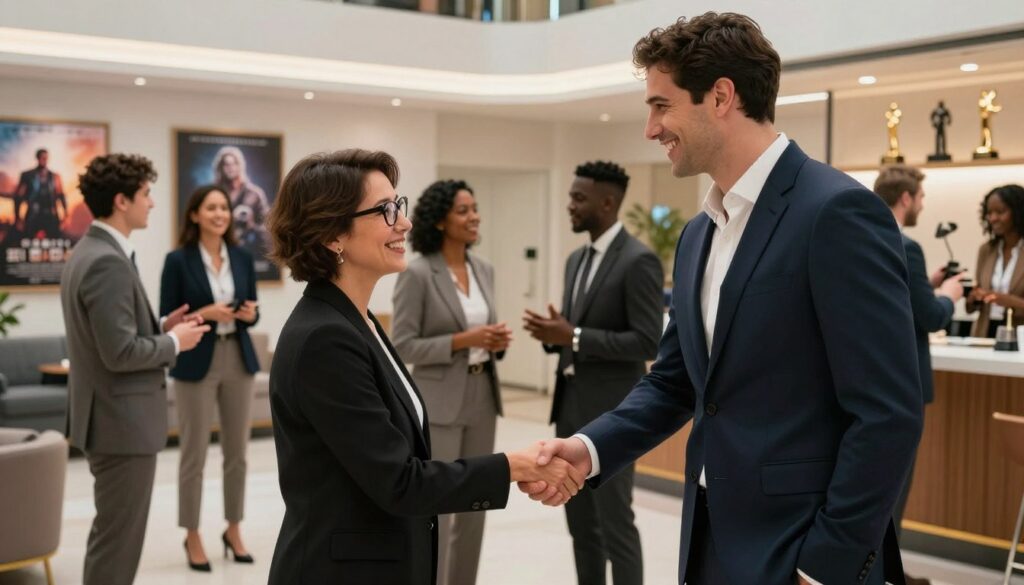
By using these networking chances and alliances, celebrities can beat typecasting. They can build a more varied and dynamic career.
Embracing Personal Projects
Personal projects let celebrities show their range beyond acting. They can try directing and producing. This way, they can avoid being stuck in one role and explore new ideas.
Directing and Producing as a Path to Freedom
Directing and producing give celebrities control over their work. They can share stories that mean a lot to them. This makes their career more diverse and shows they can do more than act.
Benefits of Directing and Producing:
- Creative control over the project
- Opportunity to tell diverse stories
- Enhanced career versatility
Examples of Celebrities Who Created Their Own Work
Many stars have made their own projects. For example, Ben Affleck and Matt Damon started a production company. They made “Good Will Hunting,” which won an Oscar.
Clint Eastwood has directed and produced many films. Oprah Winfrey has also produced TV shows and movies through her company.
The Benefits of Independent Projects
Independent projects give stars the chance to explore new ideas. They can make stories that might not fit in the usual system. This leads to fresh and unique content.
| Benefit | Description |
|---|---|
| Creative Freedom | Pursue projects without studio constraints |
| Innovative Storytelling | Opportunity to tell unique and diverse stories |
| Talent Development | Develop skills beyond acting, such as directing and producing |
By taking on personal projects, stars can avoid being typecast. They can also grow their careers with new experiences and creative satisfaction.
Using Social Media for Career Control
Social media is a big help for celebrities to branch out and avoid being stuck in one role. They can use Instagram, Twitter, and Facebook to talk directly to fans, share their work, and shape their image.
Building an Authentic Online Presence
It’s key for celebrities to be real online to connect with fans. They should share personal stories, sneak peeks of their projects, and fun content that shows who they are. As Dwayne ‘The Rock’ Johnson said, “Social media is a powerful tool, but you have to use it authentically.” Being true online builds trust and loyalty with fans.
Engaging with Fans Directly
Social media lets celebrities talk directly to fans, creating a community feeling. By answering comments, joining in on chats, and sharing fan posts, they get closer to their audience. For example, Taylor Swift is famous for her fan interactions, often surprising them with gifts and messages.
“Social media has given us the power to connect with our fans on a level that was previously unimaginable. It’s a two-way street where we can share our work and also hear directly from the people who support us.” –
Promoting Unique Projects
Celebrities can use social media to get the word out about their special projects. By sharing sneak peeks, trailers, and behind-the-scenes looks, they build excitement. For instance, Leonardo DiCaprio uses his platforms to talk about his environmental work and other projects, showing he’s more than just an actor.
By smartly using social media, celebrities can manage their careers, avoid being typecast, and find new ways to be creative. As social media keeps changing, it will stay a key part of a celebrity’s career plan.
Learning from Challenges and Setbacks
Breaking free from typecasting is tough for celebrities. It needs hard work, smart choices, and a bold spirit. The path to beating typecasting is filled with hurdles, but these teach valuable lessons.
Overcoming the Obstacles of Typecasting
Celebrities face the big challenge of changing their image on screen. To dodge typecasting, they must actively look for different roles. Working with new directors is also key to breaking free from Hollywood’s typecasting trap.
Stories of Resilience
Many actors have overcome typecasting. Tom Hanks and Meryl Streep, for example, have shown great range in their work. Their stories inspire new actors to be brave and try new things.
Lessons for Future Generations
The secret to avoiding typecasting is facing challenges head-on and grabbing new chances. By learning from seasoned actors, the next generation can grow strong and adaptable. This is crucial in the changing world of entertainment.